Día de los Muertos in the Yucatán: Guide
Experience Day of the Dead in the Yucatán — a profound blend of Maya and Mexican traditions. Discover the best celebrations in Mérida, Tulum and across the peninsula.
María Elena Canul
Cultural Content Writer
While Día de los Muertos is celebrated throughout Mexico, the Yucatán Peninsula observes its own deeply rooted version known as Hanal Pixán — a Mayan phrase meaning "food for the souls." This tradition, which blends pre-Hispanic Mayan beliefs with Catholic influences, transforms homes, cemeteries, and public spaces across the region every late October and early November. For discerning residents and investors in the Riviera Maya, understanding Hanal Pixán offers a unique window into the rich cultural tapestry that defines this vibrant region, extending beyond its pristine beaches and luxurious properties. It is a time when the veil between worlds thins, allowing families to honor and reconnect with their ancestors, reinforcing community bonds and preserving a heritage that dates back millennia.
Hanal Pixán: A Three-Day Journey
Unlike the nationwide celebration concentrated on November 1-2, Hanal Pixán in the Yucatán unfolds over three distinct days. October 31 is dedicated to the souls of children (U Hanal Palal), November 1 honors deceased adults (U Hanal Nucuch Uinicoob), and November 2 is for all souls collectively (U Hanal Pixanoob). Each day carries its own rituals, altar arrangements, and food offerings, meticulously prepared to welcome specific spirits. This extended period reflects the profound respect and intricate belief system of the Mayan people, ensuring every soul is remembered and cherished.
U Hanal Palal: Honoring the Children's Souls
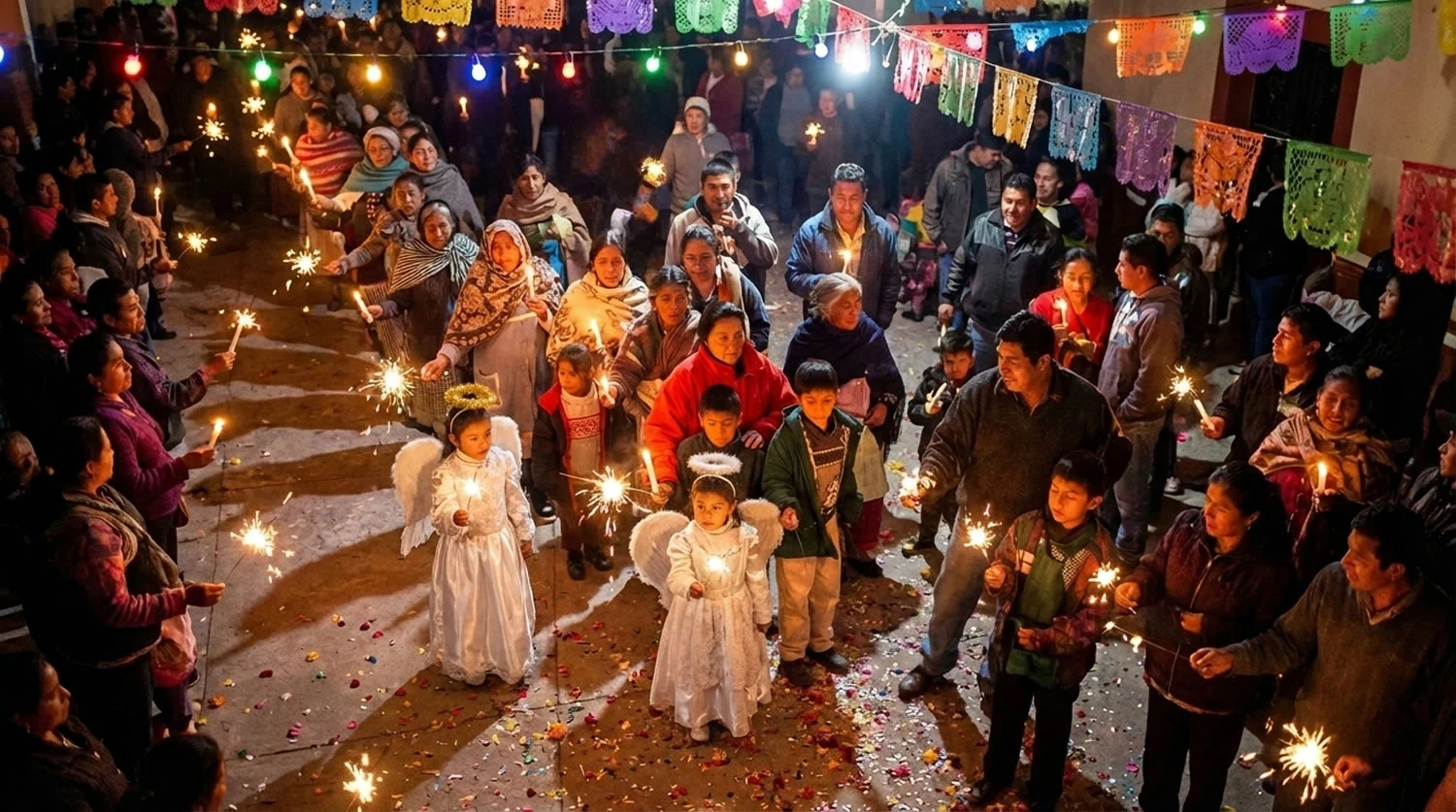
On October 31st, the focus shifts to the innocent souls of children. Altars for U Hanal Palal are often adorned with toys, sweets, small portions of favorite foods, and white candles, symbolizing purity. Families believe these young spirits return first, eager to partake in the offerings prepared with love. The atmosphere, while reverent, often carries a lighter, more tender sentiment, reflecting the joy children bring to life. Special breads and candies, often shaped like animals or small figures, are common offerings, alongside fresh fruit and glasses of water.
U Hanal Nucuch Uinicoob: Welcoming Adult Spirits
November 1st is reserved for adult souls. The altars for U Hanal Nucuch Uinicoob are typically more elaborate, featuring stronger beverages like balché (a traditional Mayan alcoholic drink) or tequila, cigarettes, and more substantial meals that the departed enjoyed in life. Photographs of the adults are prominently displayed, surrounded by their personal belongings, tools, or clothing, creating a deeply personal space of remembrance. The candles, often in various colors, guide these spirits home, and copal incense is burned to purify the space and aid communication between worlds.
U Hanal Pixanoob: A Collective Remembrance
The final day, November 2nd, is a collective remembrance for all souls. This day often involves a deeper spiritual reflection and communal activities. Families might visit cemeteries to clean and decorate graves, bringing flowers, candles, and food to share with their loved ones. The offerings on the altars are often a culmination of the previous days, ensuring no soul is forgotten. This day also marks the transition where the spirits return to the afterlife, leaving families with a sense of peace and renewed connection.
Mucbipollo: The Sacred Dish
The centerpiece of Hanal Pixán is the mucbipollo (also called pib), a massive tamal wrapped in banana leaves and cooked underground in a pit oven called a pib. Families gather to prepare this dish together — mixing corn dough with lard, filling it with chicken or pork seasoned with achiote and tomato, then wrapping and burying it over hot stones. The cooking process takes several hours and becomes a communal event, often starting at dawn and extending into the afternoon. This culinary tradition is not merely about sustenance; it is a profound act of collective memory and cultural transmission, with recipes often guarded and passed down through generations, each family boasting its unique, cherished variation.
The Ritual of the Pib Oven
The preparation of mucbipollo is a ritual in itself. The pib, an underground oven, is dug in the earth, lined with stones, and heated with wood until the stones are glowing. The wrapped mucbipollos are carefully placed inside, covered with more banana leaves and earth, and left to slow-cook for several hours. This ancient cooking method imbues the dish with a distinct earthy flavor and tender texture, impossible to replicate with modern ovens. The communal effort involved in digging the pib, gathering the wood, and preparing the ingredients strengthens family bonds and reinforces the shared cultural identity.
Symbolism of Ingredients
Every ingredient in mucbipollo carries symbolic weight. The corn, a staple of Mayan diet, represents life and sustenance. The achiote, with its vibrant red hue, symbolizes blood and vitality. The banana leaves protect and impart flavor, while the act of burying the tamal connects it to the earth, the source of all life and the resting place of ancestors. The sharing of the mucbipollo, first with the spirits on the altar and then among the living, signifies the continuity of life and the enduring connection between generations.
Cemetery Vigils and Public Celebrations
On the nights of November 1 and 2, families gather at cemeteries to clean and decorate graves, share food, and spend time in quiet remembrance. In Mérida, the main cemetery of Xoclán becomes a sea of candlelight and flowers, transforming into a vibrant, yet solemn, gathering place. The air is thick with the scent of cempasúchil, copal, and traditional foods, creating an immersive sensory experience. Many smaller towns throughout the Yucatán, from the colonial charm of Valladolid to the coastal communities of Progreso, hold their own unique processions and community gatherings, each reflecting local customs and interpretations of the tradition.
Mérida's Paseo de las Ánimas: A Cultural Spectacle
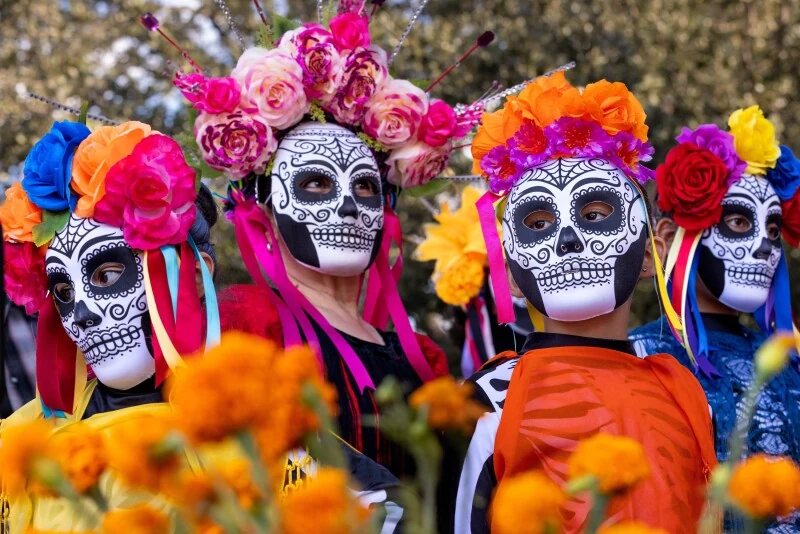
Mérida's Paseo de las Ánimas (Parade of Souls) has grown into one of the peninsula's most spectacular public events, attracting thousands of participants and spectators. This solemn yet celebratory procession sees individuals, often adorned in traditional Yucatecan attire and intricate catrina face paint, walking from the General Cemetery along Calle 66 to the Ermita de Santa Isabel. The route is lined with altars, music, and the quiet reverence of onlookers. The event, typically held on the evening of October 27th or 28th, serves as a powerful public expression of Hanal Pixán, drawing both locals and international visitors who seek to witness this profound cultural display. The city also hosts altar competitions, traditional music performances, and cultural exhibitions throughout the season, transforming its historic centro into a living museum of Mayan heritage.
Regional Celebrations: Beyond Mérida
While Mérida is renowned for its grand celebrations, other areas of the Yucatán Peninsula offer equally compelling, albeit often more intimate, experiences. In towns like Izamal, the Yellow City, Hanal Pixán is celebrated with a unique blend of Mayan and colonial traditions, often featuring horse-drawn carriages adorned with flowers and offerings. In coastal towns like Celestún or Sisal, the connection to the sea is often reflected in offerings of fresh fish or seashells on altars. Each community, whether a bustling city or a quiet village, contributes its own flavor to the overarching Hanal Pixán narrative, making it a truly diverse and rich cultural experience across the peninsula. These regional variations highlight the adaptability and enduring strength of Mayan traditions in the face of historical and modern influences.
The Altar: A Sacred Portal
The Hanal Pixán altar, known as a mesa de ofrendas (table of offerings), is far more than a decorative display; it is considered a sacred portal through which the spirits of the departed can return to the world of the living. Its construction is a meticulous and deeply personal act, reflecting the love and remembrance families hold for their ancestors. The arrangement and items placed on the altar are steeped in symbolism, each element serving a specific purpose in welcoming and honoring the souls.
Elements of the Traditional Altar
A typical Hanal Pixán altar is a multi-tiered structure, often covered with a white embroidered tablecloth, symbolizing purity and the connection to the spiritual realm. Key elements include:
- Photographs: Portraits of the deceased are central, serving as a direct invitation for their spirits to visit.
- Candles (Veladoras): White candles are common, representing light, faith, and guiding the souls. Colored candles may also be used, each with its own significance (e.g., blue for children, purple for adults).
- Cempasúchil (Marigold) Flowers: These vibrant orange flowers, known as flor de muerto, are believed to attract and guide spirits with their strong scent and bright color. A path of petals often leads from the altar to the home's entrance.
- Food and Drink: Offerings include mucbipollo, tamales, fresh fruits, bread (pan de muerto or regional variations), sweets, and beverages like water, coffee, hot chocolate, or even alcoholic drinks like tequila or balché, depending on the preferences of the honored spirits.
- Personal Belongings: Items cherished by the deceased, such as clothing, tools, books, or toys, are placed on the altar to make the spirits feel welcome and remembered.
- Copal Incense: Burned to purify the space, ward off negative energies, and facilitate communication with the spiritual realm. Its aromatic smoke is believed to carry prayers and offerings to the heavens.
- Salt and Water: Salt is placed to purify the souls and prevent them from being corrupted, while water quenches the thirst of the spirits after their long journey.
- Sugar Skulls (Calaveras de Azúcar): While more prominent in central Mexico, smaller versions or artistic representations may appear, symbolizing the sweetness of life and the acceptance of death.
The construction of the altar is a family affair, often involving multiple generations. Children learn about their ancestors and the importance of remembrance, while elders share stories and traditions, ensuring the continuity of this vital cultural practice. The meticulous arrangement of each item is a testament to the deep respect and love felt for those who have passed on, transforming grief into a celebration of life and enduring connection. Explore more cultural insights on our blog.
Historical Roots and Mayan Cosmovision
The origins of Hanal Pixán are deeply embedded in the ancient Mayan cosmovision, a complex belief system that predates the arrival of the Spanish conquistadors. For the Maya, death was not an end but a transition, a journey to another plane of existence. The concept of the pixan, or soul, was central to their understanding of life and the afterlife, believing it to be a divine gift that animated the body and continued its journey after physical death.
The Mayan Underworld: Xibalba
In Mayan mythology, the underworld, known as Xibalba, was not a place of punishment but a realm inhabited by deities and the spirits of the dead. The journey to Xibalba was often perilous, requiring the deceased to navigate various challenges and trials. Hanal Pixán, in its ancient form, was likely a way to assist these souls on their journey and maintain a harmonious relationship between the living and the dead. Offerings and rituals were performed to appease the gods of Xibalba and ensure the safe passage and well-being of the ancestors.
Syncretism: Blending Traditions
With the arrival of the Spanish and the introduction of Catholicism, Mayan traditions underwent a process of syncretism, blending indigenous beliefs with Christian practices. All Saints' Day (November 1st) and All Souls' Day (November 2nd) provided a framework for the existing Mayan reverence for ancestors, leading to the evolution of Hanal Pixán as it is celebrated today. The Catholic concept of purgatory and prayers for the dead found resonance with Mayan beliefs about the souls' journey, creating a unique cultural expression that is neither purely Mayan nor purely Catholic, but a rich fusion of both. This syncretism is evident in the use of crosses on altars alongside traditional Mayan elements, and the timing of the celebration coinciding with the Catholic observances.
Hanal Pixán in Contemporary Yucatecan Society
Today, Hanal Pixán remains a cornerstone of Yucatecan identity, celebrated with unwavering devotion across social strata. It is a powerful affirmation of cultural heritage, particularly in the face of globalization and modernization. While some aspects have evolved, the core essence of honoring ancestors and reinforcing family bonds remains unchanged. The tradition serves as a vital link to the past, connecting contemporary Yucatecans with their Mayan roots and providing a sense of continuity and belonging.
Economic and Social Impact
The celebration of Hanal Pixán also has a significant economic and social impact on the region. Local markets, particularly in cities like Mérida and Valladolid, experience a surge in activity as families purchase ingredients for mucbipollo, cempasúchil flowers, candles, and other altar decorations. Artisans create intricate sugar skulls, embroidered tablecloths, and traditional pottery, contributing to the local economy. The public events, such as Mérida's Paseo de las Ánimas, attract both domestic and international tourists, further boosting local businesses and showcasing the rich cultural offerings of the Yucatán Peninsula. This influx of visitors also provides an opportunity for cultural exchange, allowing outsiders to experience and appreciate the depth of Mayan traditions. Discover investment opportunities in this culturally rich region.
Preservation and Modern Adaptations
Efforts to preserve Hanal Pixán traditions are strong, with cultural institutions, schools, and community organizations actively promoting its observance. Workshops on altar building, mucbipollo preparation, and traditional Mayan storytelling ensure that younger generations understand and embrace their heritage. At the same time, the tradition has shown a remarkable capacity for adaptation. Modern elements, such as contemporary music or artistic interpretations of traditional motifs, sometimes find their way into celebrations, demonstrating the living and evolving nature of Hanal Pixán. This balance between preservation and adaptation ensures its continued relevance in the 21st century.
For Residents: Embracing the Tradition
For international residents who have chosen the Riviera Maya, Cancún, Tulum, or Mérida as their home, engaging with Hanal Pixán offers an unparalleled opportunity for cultural immersion and community integration. It is a chance to move beyond the tourist experience and truly connect with the heart of Yucatecan life. Many expat communities actively participate, organizing their own altar-building workshops and mucbipollo preparation events, fostering a sense of shared experience and mutual respect. Local markets overflow with the ingredients and decorations needed to create your own celebration, and neighbors are often eager to share their traditions with newcomers who show genuine interest and respect. This willingness to share is a hallmark of Yucatecan hospitality, making it easier for new residents to feel at home.
Practical Participation and Etiquette
For those wishing to participate, understanding local etiquette is key. When visiting a local home with an altar, it is customary to bring a small offering, such as flowers or candles, and to approach the altar with reverence. Asking questions about the traditions is generally welcomed, as it shows genuine interest, but it should be done respectfully. Attending public events like the Paseo de las Ánimas in Mérida is a fantastic way to witness the grandeur of the celebration. Many local organizations and cultural centers offer guided tours or workshops specifically designed for non-locals, providing context and deeper understanding. Learn more about buying property and integrating into the local culture.
Beyond the Celebration: Year-Year-Round Connection
While Hanal Pixán is a specific annual event, the values it embodies—family, remembrance, and community—are woven into the fabric of Yucatecan daily life. For residents, embracing these values can lead to a deeper and more meaningful connection with their adopted home. Supporting local artisans, participating in community events, and learning about Mayan history and language are all ways to extend the spirit of Hanal Pixán throughout the year. This ongoing engagement enriches the lives of residents and contributes to the vibrant cultural tapestry of the Yucatán Peninsula, making it not just a place to live, but a place to belong.
The enduring legacy of Hanal Pixán serves as a powerful reminder that the Yucatán Peninsula is a region rich not only in natural beauty and economic opportunity but also in profound cultural depth. For those seeking a life that offers more than just luxury, but also a deep connection to history and community, the traditions of Hanal Pixán offer a compelling reason to call this extraordinary place home.