Yucatán's Cenotes: A Visual Guide
The Yucatán Peninsula is home to thousands of cenotes — ancient sinkholes with crystal-clear waters. Discover the best cenotes to swim, snorkel and dive in Mexico.
María Elena Canul
Lifestyle & Relocation Specialist
Beneath the flat limestone surface of the Yucatán Peninsula lies one of the world's most extraordinary natural formations — a vast network of cenotes, sinkholes filled with crystalline freshwater that have served as sacred sites, water sources, and gathering places for thousands of years. For residents of the peninsula, these natural pools are not tourist attractions to visit once; they become part of daily life.
What Creates a Cenote: A Geological Marvel
The Yucatán Peninsula sits on a massive limestone shelf with virtually no surface rivers. Over millions of years, slightly acidic rainwater dissolved the porous limestone, creating an underground river system of staggering scale. This geological process, known as karst topography, is responsible for the unique landscape of the region. The limestone, primarily composed of ancient marine fossils, is highly permeable, allowing water to seep through and carve out intricate subterranean passages. When the roof of an underground chamber collapses, often due to continued erosion and the weight of the overlying rock, it reveals the water below — forming a cenote. Scientists estimate there are over 6,000 cenotes across the peninsula, with many still undiscovered, and new ones are continually being formed through this ongoing natural process.
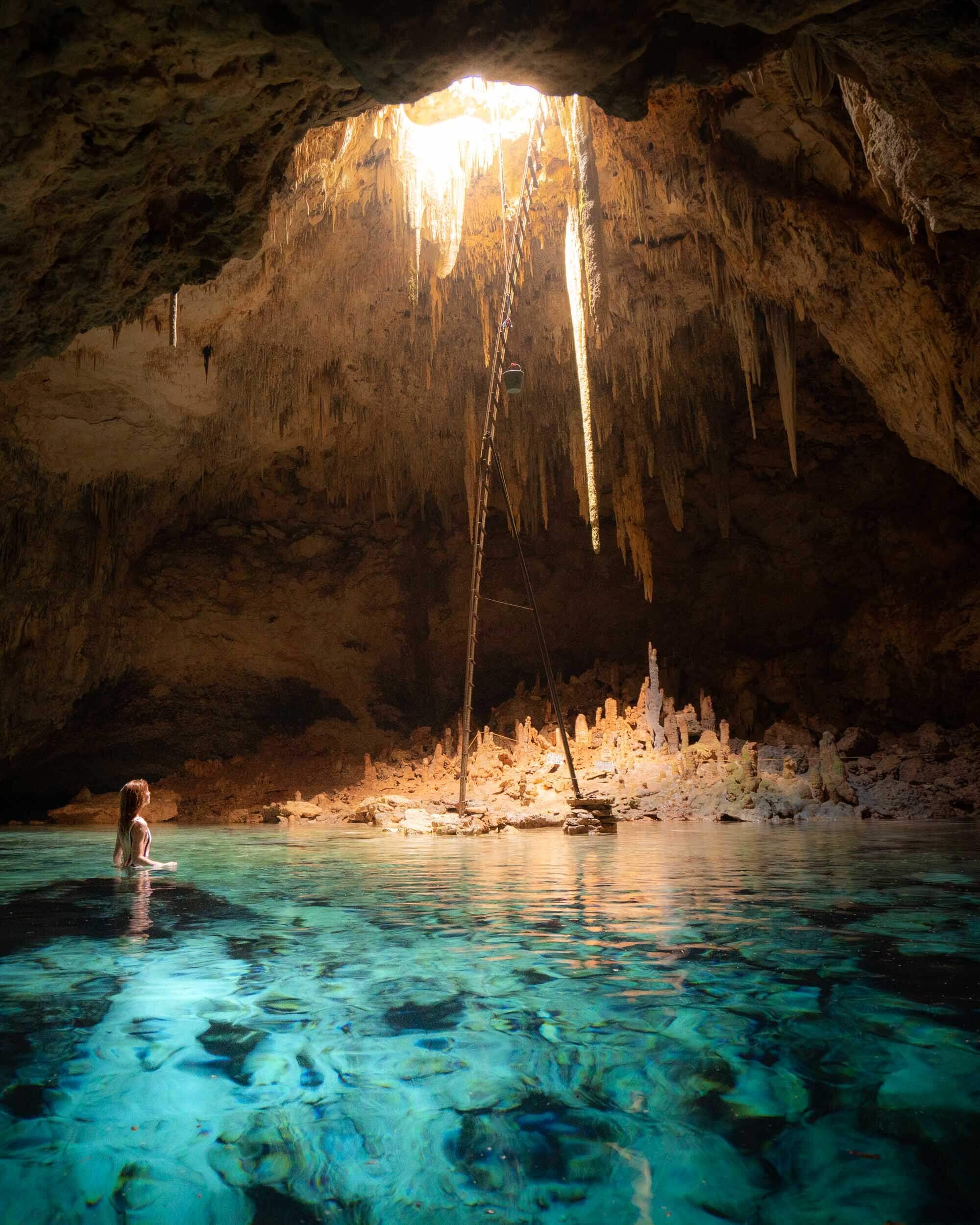
Cenotes come in several forms, each representing a different stage in their geological evolution: open-air pools exposed to the sky, semi-open formations with partial cave roofs, and fully enclosed underground caverns accessible only through narrow openings. Each type offers a different experience, from sunlit swimming in vibrant turquoise waters to exploring cathedral-like underground chambers adorned with stalactites and stalagmites. The age of a cenote can often be inferred from its type; open cenotes are generally the oldest, as their roofs have completely collapsed, while cavern cenotes are the youngest, still largely enclosed.
The Karst Process and Underground Rivers
The formation of cenotes is intrinsically linked to the Yucatán's extensive underground river systems. These rivers, such as the Sac Actun system, one of the longest underwater cave systems in the world, are fed by rainfall that filters through the porous limestone. As the water flows, it continues to dissolve the rock, enlarging existing cracks and creating new tunnels and chambers. The fresh water, being less dense, often floats on top of denser saltwater that has intruded from the Caribbean Sea, creating a halocline – a distinct layer where fresh and salt water meet. This unique hydrological feature supports diverse ecosystems and offers unparalleled diving experiences for those exploring the deeper reaches of the cenotes.
The Best Cenotes Near Major Cities: A Guide for Residents
Living on the Yucatán Peninsula means having world-class natural swimming pools within easy reach, offering both relaxation and adventure. These natural wonders are not just tourist attractions but integral parts of the local lifestyle, providing refreshing escapes from the tropical heat and opportunities for unique recreational activities.
Mérida and the Surrounding Region
Near Mérida, the Cuzamá cenotes offer a unique experience accessed by horse-drawn rail carts along old henequen plantation tracks. This trio of cenotes—Chelentún, Bolonchoojol, and Chansinic'che—provides a glimpse into the region's agricultural history while offering pristine swimming opportunities. The entrance fee for the Cuzamá cenotes typically ranges from 400 to 500 pesos per cart, which can accommodate up to four people, making it an affordable family outing. Cenote Xlacah, located within the Dzibilchaltún archaeological site, combines a refreshing swim with ancient Mayan ruins, allowing visitors to explore a significant historical site and cool off in its clear waters. Entrance to Dzibilchaltún, which includes access to Cenote Xlacah, is approximately 227 pesos for foreign visitors. Other notable cenotes near Mérida include Cenote Kankirixché, a large, deep cavern cenote popular for diving, and Cenote Mucuyché, which features interconnected pools and a rope swing, offering a more adventurous experience. Explore Areas to discover more about living in Mérida.
The Riviera Maya: A Cenote Paradise
The Riviera Maya corridor between Playa del Carmen and Tulum is particularly rich in cenotes, boasting some of the most famous and visually stunning examples. Gran Cenote, just outside Tulum, features crystal-clear water with underwater stalactites visible while snorkeling. Its interconnected caves and open-air sections make it a favorite for both snorkelers and divers. The entrance fee for Gran Cenote is around 500 pesos. Cenote Azul near Playa del Carmen is a favorite among families for its shallow areas and open-air setting, surrounded by lush vegetation. It's an ideal spot for a relaxed day of swimming and picnicking, with an entrance fee of approximately 150 pesos. Cenote Dos Ojos, part of one of the world's longest underwater cave systems, attracts divers from around the globe with its intricate network of caverns and stunning light effects. A basic entrance fee for swimming and snorkeling is about 400 pesos, while diving tours can cost significantly more, often upwards of 1,500 pesos, including equipment and a guide. Other popular cenotes in the Riviera Maya include Cenote Calavera, known as the Temple of Doom for its skull-like openings, and Cenote Suytun, famous for its iconic ray of light illuminating a circular platform. View Properties in the Riviera Maya.
Cenotes as a Lifestyle: More Than Just Swimming
For many international residents, regular cenote visits become a cherished routine — a Sunday morning swim, a midweek escape from the heat, or a place to bring visiting friends and family. Several cenotes near Mérida and Playa del Carmen offer annual memberships, turning them into something akin to a natural country club, fostering a sense of community among frequent visitors. This integration into daily life reflects a deeper appreciation for the natural environment and a desire to connect with the unique ecological and cultural heritage of the Yucatán.
The cenote experience also connects residents to the deeper history of the land. The ancient Maya considered cenotes sacred portals to the underworld (Xibalba), and archaeological discoveries in cenotes have revealed offerings, ceramics, and even human remains dating back thousands of years. Swimming in a cenote is, quite literally, immersing yourself in history, offering a profound connection to the past civilizations that thrived in this region. Many cenotes still hold spiritual significance for modern Maya communities, and visitors are often encouraged to respect these sites as places of cultural heritage.
Ecological Importance and Conservation Efforts
Beyond their cultural and recreational value, cenotes are vital to the Yucatán Peninsula's ecosystem. They are the primary source of fresh water for both human consumption and the diverse flora and fauna of the region. The delicate balance of these underground systems is susceptible to pollution from agricultural runoff, improper waste disposal, and unregulated tourism. Consequently, numerous local and international organizations are actively involved in conservation efforts, promoting sustainable tourism practices, educating visitors about responsible behavior, and implementing stricter regulations to protect these invaluable natural resources. Initiatives often include biodegradable sunscreen requirements, waste management programs, and limitations on visitor numbers in particularly fragile cenotes. Investment Guide for sustainable tourism projects.
Cenote Diving and Snorkeling: An Underwater World
The intricate cave systems connected to many cenotes offer unparalleled opportunities for diving and snorkeling, attracting enthusiasts from around the globe. Cave diving in the Yucatán is a highly specialized activity, requiring advanced certification due to the complex navigation and overhead environments. Divers can explore vast underwater chambers adorned with spectacular geological formations, including stalactites, stalagmites, and flowstones, all preserved in crystal-clear water. Snorkelers, on the other hand, can enjoy the shallower, sunlit areas, observing freshwater fish and the mesmerizing play of light through the water. Popular diving cenotes like Dos Ojos, El Pit, and Angelita offer unique experiences, from deep, dark caverns to hydrogen sulfide clouds that create an ethereal underwater landscape. These activities provide a unique perspective on the geological wonders and biodiversity of the cenote systems.
Practical Tips for Cenote Visits: Enhancing Your Experience
Most cenotes charge a modest entrance fee ranging from 50 to 300 pesos, with some of the more developed or famous ones charging up to 500 pesos. These fees typically contribute to the maintenance of the facilities, environmental protection, and local community development. Many require the use of biodegradable sunscreen to protect the delicate ecosystem — it is advisable to bring your own, as options at cenote entrances can be limited and more expensive. Conventional sunscreens contain chemicals that can harm the aquatic life and contaminate the pristine waters. Arriving early, particularly on weekends or during peak tourist season, ensures a more peaceful experience and better opportunities for photography without crowds. And while popular cenotes are well-maintained with amenities like restrooms and changing rooms, some of the most magical and authentic ones are found by simply asking locals for their recommendations, often leading to hidden gems off the beaten path. Always check the operating hours and any specific rules for each cenote before your visit. Buying Guide for properties near natural attractions.
Safety and Responsible Tourism
While cenotes offer incredible experiences, safety should always be a priority. Always swim or dive with a buddy, especially in less-frequented cenotes. If you are not an experienced swimmer, consider wearing a life vest, which is often provided or available for rent at many cenotes. Respect all posted signs and guidelines, as they are in place for your safety and the preservation of the environment. Avoid touching or disturbing any geological formations or wildlife. It is also crucial to dispose of all trash properly and avoid bringing single-use plastics into the cenote areas. By practicing responsible tourism, visitors can help ensure that these natural wonders remain pristine for future generations to enjoy. Blog for more articles on sustainable living in the Yucatán.
Beyond Swimming: Other Activities
Many cenotes offer more than just swimming. Some have ziplines, rappelling, or kayaking opportunities, adding an extra layer of adventure to your visit. For those interested in photography, the unique lighting and geological features of cenotes provide stunning backdrops. Birdwatching is also popular around cenotes, as they attract a variety of local and migratory birds. Some cenotes are part of larger eco-parks that offer a range of activities and services, making them ideal for a full day out. Exploring these additional activities can enrich your cenote experience and provide a deeper appreciation for the natural beauty of the Yucatán Peninsula.
The Economic Impact of Cenotes on the Yucatán Peninsula
The cenotes are not only natural and cultural treasures but also significant economic drivers for the Yucatán Peninsula. Tourism centered around these unique formations generates substantial revenue, supporting local communities and creating employment opportunities. From entrance fees and guided tours to local vendors selling food and handicrafts, the economic ecosystem surrounding cenotes is vibrant and diverse. The popularity of cenotes has also spurred the development of infrastructure, including roads, accommodations, and related services, further contributing to regional economic growth. This economic impact is particularly evident in areas like the Riviera Maya, where cenote tourism is a cornerstone of the local economy. However, managing this economic activity sustainably is crucial to prevent over-tourism and environmental degradation, ensuring long-term benefits for both the environment and the local population.
Real Estate and Cenote Proximity
For those considering relocating to the Yucatán Peninsula, proximity to cenotes can be a significant factor in real estate decisions. Properties located near well-known or particularly beautiful cenotes often command a premium, reflecting the desirability of easy access to these natural amenities. Developers frequently highlight nearby cenotes as a key selling point for residential and investment properties, especially in areas like Tulum, Playa del Carmen, and Mérida. The appeal extends beyond mere recreation; living near a cenote offers a lifestyle that integrates nature, tranquility, and unique cultural experiences. This demand contributes to the appreciation of property values in these regions, making real estate near cenotes an attractive investment for discerning buyers. Sell Your Property with Mexico Luxury Properties.
Future of Cenotes: Preservation and Sustainable Development
The future of the Yucatán Peninsula's cenotes hinges on effective preservation strategies and sustainable development practices. As tourism continues to grow, the pressure on these fragile ecosystems intensifies. Conservation efforts must be balanced with the economic needs of local communities. This includes implementing stricter environmental regulations, investing in advanced wastewater treatment facilities, and promoting eco-tourism initiatives that educate visitors and minimize environmental impact. Community involvement is also key, empowering local residents to become stewards of their natural heritage. Research into the hydrological systems of the cenotes and their interconnectedness is ongoing, providing valuable data to inform conservation policies. The goal is to ensure that these hidden natural wonders can be enjoyed by generations to come, maintaining their ecological integrity and cultural significance. The long-term viability of the region's tourism industry and the well-being of its residents are inextricably linked to the health of its cenotes.
The Spiritual and Cultural Significance of Cenotes
For the ancient Maya, cenotes were far more than just water sources; they were considered sacred gateways to Xibalba, the underworld, and places of profound spiritual significance. Offerings of jade, pottery, and even human sacrifices have been discovered in many cenotes, indicating their role in religious ceremonies and rituals. These practices highlight the deep reverence the Maya held for these natural formations, viewing them as direct connections to their gods and ancestors. Today, many cenotes continue to be important cultural sites, and local communities often conduct ceremonies or maintain traditions that honor their historical and spiritual importance. Understanding this rich cultural context enhances the experience of visiting a cenote, transforming it from a simple swim into an immersion in history and spirituality.
Cenotes in Mayan Cosmology and Daily Life
The reliance of the ancient Maya on cenotes for freshwater shaped their civilization. Without surface rivers, cenotes were the lifeblood of cities like Chichen Itza, Uxmal, and Mayapan. The strategic location of these cities often correlated with the presence of significant cenotes. Beyond their practical use, cenotes were central to Mayan cosmology. They were believed to be the dwelling places of rain gods, particularly Chaac, and served as conduits for communication with the divine. The offerings found within cenotes provide invaluable insights into Mayan beliefs, rituals, and daily life, acting as time capsules preserved by the unique conditions of the underwater environment. This intertwining of the sacred and the practical underscores the profound impact cenotes had on one of the most advanced civilizations of Mesoamerica.
Investing in the Yucatán: Proximity to Natural Wonders
The allure of the Yucatán Peninsula, with its rich history, vibrant culture, and stunning natural beauty, continues to attract a growing number of international residents and investors. The presence of cenotes significantly enhances the region's appeal, offering a unique lifestyle proposition that combines luxury living with unparalleled access to nature. For real estate investors, properties located within easy reach of popular cenotes, particularly in burgeoning areas like Tulum, Playa del Carmen, and Mérida, represent a sound investment. The demand for homes that offer a blend of modern amenities and natural tranquility is consistently high among North American buyers seeking second homes, retirement properties, or vacation rentals. The value proposition is further strengthened by the region's robust tourism industry, which ensures a steady stream of visitors interested in experiencing the cenotes firsthand. This creates opportunities for rental income and long-term appreciation, making the Yucatán a prime location for strategic real estate investments. Investment Guide for luxury properties in the Riviera Maya.
The Growth of Eco-Tourism and Sustainable Development
The increasing awareness of environmental conservation has led to a rise in eco-tourism, where travelers seek experiences that are both enriching and sustainable. Cenotes are at the forefront of this movement in the Yucatán. Investors are increasingly looking towards developments that integrate eco-friendly practices and respect the natural environment, particularly around sensitive areas like cenotes. This includes projects that utilize sustainable building materials, implement water conservation measures, and support local conservation efforts. The government and local communities are also promoting responsible tourism and development to protect these natural assets. Investing in properties or businesses that align with these sustainable principles not only contributes to the preservation of the cenotes but also appeals to a growing market segment of environmentally conscious buyers and tourists. This trend suggests a long-term positive outlook for sustainable real estate development in the region, particularly for properties that offer direct or easy access to these natural wonders. Blog for insights into sustainable living and investment opportunities.
The Future of Cenote Exploration and Preservation
As technology advances, so too does our ability to explore and understand the vast, intricate network of cenotes and underwater caves beneath the Yucatán Peninsula. Advanced diving equipment, remotely operated vehicles (ROVs), and sophisticated mapping technologies are revealing new passages and chambers, pushing the boundaries of exploration. These discoveries not only captate the imagination but also provide critical data for scientists studying hydrology, geology, and ancient civilizations. However, with increased exploration comes an even greater responsibility for preservation. The delicate ecosystems within cenotes are vulnerable to human impact, and ongoing efforts are needed to ensure their protection. This includes continued research, stricter environmental regulations, and educational programs for both locals and tourists. The balance between exploration, tourism, and conservation is key to safeguarding these irreplaceable natural wonders for future generations. The long-term health of the cenotes is paramount, not just for their intrinsic value, but for the ecological stability and economic prosperity of the entire Yucatán Peninsula. Explore Areas to learn more about the diverse regions of the Yucatán.
Community Involvement and Educational Initiatives
The long-term preservation of cenotes relies heavily on the active involvement of local communities and comprehensive educational initiatives. Many cenotes are managed by ejidos, communal landholdings, where local residents play a direct role in their protection and sustainable use. These communities often serve as the first line of defense against environmental threats, implementing local rules and guiding visitors responsibly. Educational programs, both for residents and tourists, are crucial in fostering a deeper understanding of the ecological and cultural significance of cenotes. These initiatives aim to raise awareness about the importance of biodegradable products, proper waste disposal, and respectful interaction with the natural environment. By empowering communities and educating visitors, the Yucatán Peninsula can ensure that its cenotes remain pristine and accessible, continuing to be a source of wonder and life for centuries to come. Buying Guide for properties that support local communities and conservation efforts.