How to Buy Property in Mexico as an American
Americans buying real estate in Mexico face unique considerations. Step-by-step guide covering the legal process, financing options, taxes and what every US buyer must know.
Carlos Mendoza
Senior Real Estate Advisor
Americans represent the largest segment of foreign buyers in Mexico's luxury real estate market, and for good reason. Mexico offers a combination of proximity, climate, lifestyle, and value that is difficult to match anywhere else in the world. From the pristine beaches of the Riviera Maya to the vibrant cultural scene of Mérida, the allure is undeniable. But buying property in a foreign country involves legal, financial, and practical considerations that differ significantly from a domestic purchase. This comprehensive guide walks you through the complete process, ensuring a smooth and secure investment in your Mexican dream.
Step 1: Understand the Legal Framework
The first thing every American buyer needs to understand is Mexico's restricted zone — the area within 50 kilometers of the coastline and 100 kilometers of international borders where foreigners cannot hold direct title to real estate. This legal provision, stemming from the Mexican Constitution, was established to protect national sovereignty. Since the most desirable properties in the Riviera Maya, Cancún, Tulum, and the Yucatán coast fall within this zone, purchases are made through a fideicomiso (bank trust). A fideicomiso is a trust agreement in which a Mexican bank holds legal title to the property on your behalf. As the trust's beneficiary, you retain all practical ownership rights, including the ability to sell, lease, or bequeath the property. This mechanism provides a secure and legally recognized way for foreigners to own property in prime coastal and border areas. Annual maintenance fees to the trustee bank typically run $500–$800 USD, covering administrative costs and ensuring the trust remains active.
The Fideicomiso: A Secure Ownership Structure
The fideicomiso is not a lease; it grants you all the rights of ownership. The bank acts merely as a trustee, holding the deed for you. This structure has been in place for decades and is a well-established, secure method for foreign property ownership in Mexico. It provides peace of mind, knowing that your investment is protected under Mexican law. The trust is typically established for a 50-year term, renewable indefinitely, ensuring long-term security for you and your heirs. This allows for generational wealth transfer, making it an attractive option for those looking to establish a legacy in Mexico.
Step 2: Assemble Your Team
A successful purchase in Mexico requires three key professionals: a trusted real estate advisor (AMPI-certified), a Mexican notary (notario público), and a real estate attorney for independent due diligence. Each plays a distinct and crucial role in safeguarding your interests and navigating the complexities of the Mexican real estate market.
The Role of Your Real Estate Advisor
An AMPI-certified real estate advisor, such as those at Mexico Luxury Properties, is your primary guide. AMPI (Asociación Mexicana de Profesionales Inmobiliarios) certification signifies adherence to ethical standards and professional training. Your advisor should possess deep local market knowledge, understand current pricing trends, and be adept at identifying properties that align with your investment goals or lifestyle preferences. They will assist in property searches, negotiations, and coordinating with other professionals. For instance, an experienced advisor in Tulum might highlight specific developments with strong rental income potential, while one in Cancún could focus on properties offering immediate access to established tourism infrastructure. Their expertise is invaluable in understanding the nuances of different regions within the Riviera Maya and beyond. View Properties
The Notario Público: More Than Just a Notary
In Mexico, a notario público is a highly trained legal professional appointed by the state, holding far greater authority and responsibility than a notary public in the United States. The notary is a neutral party responsible for ensuring the legality of the transaction, verifying identities, collecting taxes, and officially registering the deed. They are crucial for the validity and security of your property purchase. The notary drafts the public deed (escritura pública), which is the official document transferring ownership, and ensures all legal requirements are met before the transaction is finalized. Their involvement is mandatory for all real estate transactions in Mexico.
Independent Legal Counsel: Your Advocate
While the notary ensures the legality of the transaction, an independent real estate attorney represents your specific interests. They conduct thorough due diligence, review all contracts (including the promissory agreement and fideicomiso), and advise you on potential risks or issues. This independent review is critical, especially for pre-construction properties or those with complex ownership histories. Your attorney will ensure that all terms are favorable to you and that there are no hidden liabilities. They can also assist with power of attorney arrangements if you cannot be present for all stages of the process.
Step 3: Conduct Due Diligence
Title search, permit verification, developer due diligence (for pre-sale), and HOA/maintenance fee review are all essential steps before committing to a purchase. This phase is critical for mitigating risks and ensuring that your investment is sound.
Comprehensive Title Search
A thorough title search verifies that the seller has clear legal ownership of the property and that there are no liens, encumbrances, or disputes that could affect your ownership. This involves reviewing the property's history at the Public Registry of Property (Registro Público de la Propiedad) to confirm a clean chain of title. Your attorney will meticulously examine these records to ensure there are no surprises after closing.
Permit and Zoning Verification
It is essential to verify that the property has all necessary construction permits and that its use aligns with local zoning regulations. For new constructions or properties with recent renovations, ensuring all permits are in order prevents future legal complications or fines. This is particularly important in rapidly developing areas like Tulum, where zoning changes can impact property values and permitted uses.
Developer Due Diligence for Pre-Sale Properties
For pre-construction or pre-sale properties, due diligence extends to the developer. This includes researching their track record, financial stability, and past project delivery. Verifying that the developer has the necessary permits and licenses to build, and that the project is adequately funded, is paramount. Reviewing the construction contract and payment schedules with your attorney is also a critical step to protect your investment. Many luxury developments in areas like Playa del Carmen offer attractive pre-sale opportunities, but thorough vetting of the developer is non-negotiable.
HOA and Maintenance Fee Review
Understanding the financial health and governance of the Homeowners Association (HOA) is vital, especially for condominium or gated community purchases. Reviewing HOA bylaws, financial statements, and past meeting minutes can reveal potential issues, such as pending assessments, disputes, or inadequate reserve funds. This also includes a detailed review of current and projected maintenance fees to ensure they are reasonable and sustainable. For example, a luxury beachfront condo in Cancún might have higher HOA fees due to extensive amenities and maintenance requirements compared to a property further inland.
Step 4: Make an Offer and Sign a Purchase Agreement
Once you have identified a property, you will make a formal offer. If accepted, the transaction proceeds to a promissory agreement (contrato de promesa de compraventa), which typically requires a deposit of 10–30% of the purchase price. This stage formalizes your intent to purchase and outlines the terms and conditions of the sale.
Crafting Your Offer
Your real estate advisor will help you prepare a written offer, specifying the purchase price, payment terms, closing date, and any contingencies (e.g., subject to satisfactory due diligence). Negotiations are common, and your advisor's expertise in local market dynamics will be invaluable in securing the best possible terms. For example, in a buyer's market, you might negotiate a lower price or more favorable payment schedule, while in a seller's market, a competitive offer is key.
The Promissory Agreement (Contrato de Promesa de Compraventa)
The promissory agreement is a legally binding contract between the buyer and seller. It details the property description, purchase price, payment schedule, closing date, penalties for default by either party, and any other specific conditions of the sale. This document is typically prepared by the seller's attorney or the notary and should be thoroughly reviewed by your independent attorney before signing. The deposit, usually held in an escrow account by the notary or a reputable escrow service, demonstrates your commitment to the purchase. This deposit is generally non-refundable if the buyer defaults without cause, but fully refundable if the seller defaults or if a contingency (like a failed due diligence) is not met. Investment Guide
Step 5: Understand Closing Costs
Closing costs in Mexico typically total 4–7% of the purchase price, including acquisition tax (ISAI), notary fees, fideicomiso setup fee, appraisal fee, and optional title insurance. These costs are generally paid by the buyer, similar to many international real estate markets, and it's crucial to budget for them accurately.
Acquisition Tax (ISAI)
The Impuesto Sobre Adquisición de Inmuebles (ISAI), or property acquisition tax, is the largest component of closing costs. This state-level tax varies by municipality but typically ranges from 2% to 3% of the appraised value of the property, or the declared value, whichever is higher. For example, in Quintana Roo (where Cancún, Playa del Carmen, and Tulum are located), this tax is generally around 3%.
Notary Fees
Notary fees cover the notary's services for drafting the public deed, verifying documents, and registering the property. These fees are regulated by state law and are typically a sliding scale percentage of the property's value, decreasing as the value increases. Expect these fees to be approximately 0.5% to 1.5% of the purchase price.
Fideicomiso Setup Fee
If you are purchasing in the restricted zone, there will be a one-time fee to establish the fideicomiso. This fee can range from $500 to $1,000 USD, depending on the bank and the complexity of the trust agreement. In addition to the setup fee, remember the annual maintenance fees mentioned earlier.
Appraisal Fee
An appraisal is required to determine the official value of the property for tax purposes. The appraisal fee is typically a few hundred dollars and is paid to a certified appraiser. This ensures that the acquisition tax is calculated based on an objective valuation.
Optional Title Insurance
While not mandatory, title insurance is highly recommended for American buyers. It provides protection against unforeseen title defects, such as undisclosed heirs, fraudulent documents, or errors in public records. The cost of title insurance is typically a one-time premium of around 0.5% to 0.7% of the purchase price, offering significant peace of mind for your investment.
Step 6: Close the Transaction
Closing takes place before the notary. You can attend in person or grant a power of attorney to your attorney. Funds are transferred via wire to a trust account. The entire process from signed promissory agreement to closing typically takes 30–60 days for resale properties, and significantly longer for pre-construction, often aligning with construction completion schedules.
The Closing Ceremony
At closing, all parties (or their legal representatives) meet with the notary. The notary reads the public deed, ensuring all terms are understood and agreed upon. The seller signs to transfer ownership, and the buyer signs to accept. The notary then collects all applicable taxes and fees and arranges for the registration of the new deed at the Public Registry of Property. This formal process ensures legal compliance and the secure transfer of title.
Fund Transfers and Escrow
Purchase funds are typically wired to a secure trust account managed by the notary or an independent escrow company. This ensures that funds are only released to the seller once all legal conditions for closing have been met and the deed is properly registered. This escrow process adds an additional layer of security for both buyer and seller, preventing premature release of funds.
Power of Attorney for Remote Closings
For buyers who cannot be present in Mexico for the closing, granting a limited power of attorney to their trusted attorney is a common and secure practice. This document, prepared and notarized in your home country (and often apostilled for international recognition), authorizes your attorney to sign documents on your behalf. This flexibility allows for a seamless closing process even if you are not physically present.
Step 7: Plan for Ongoing Ownership Costs
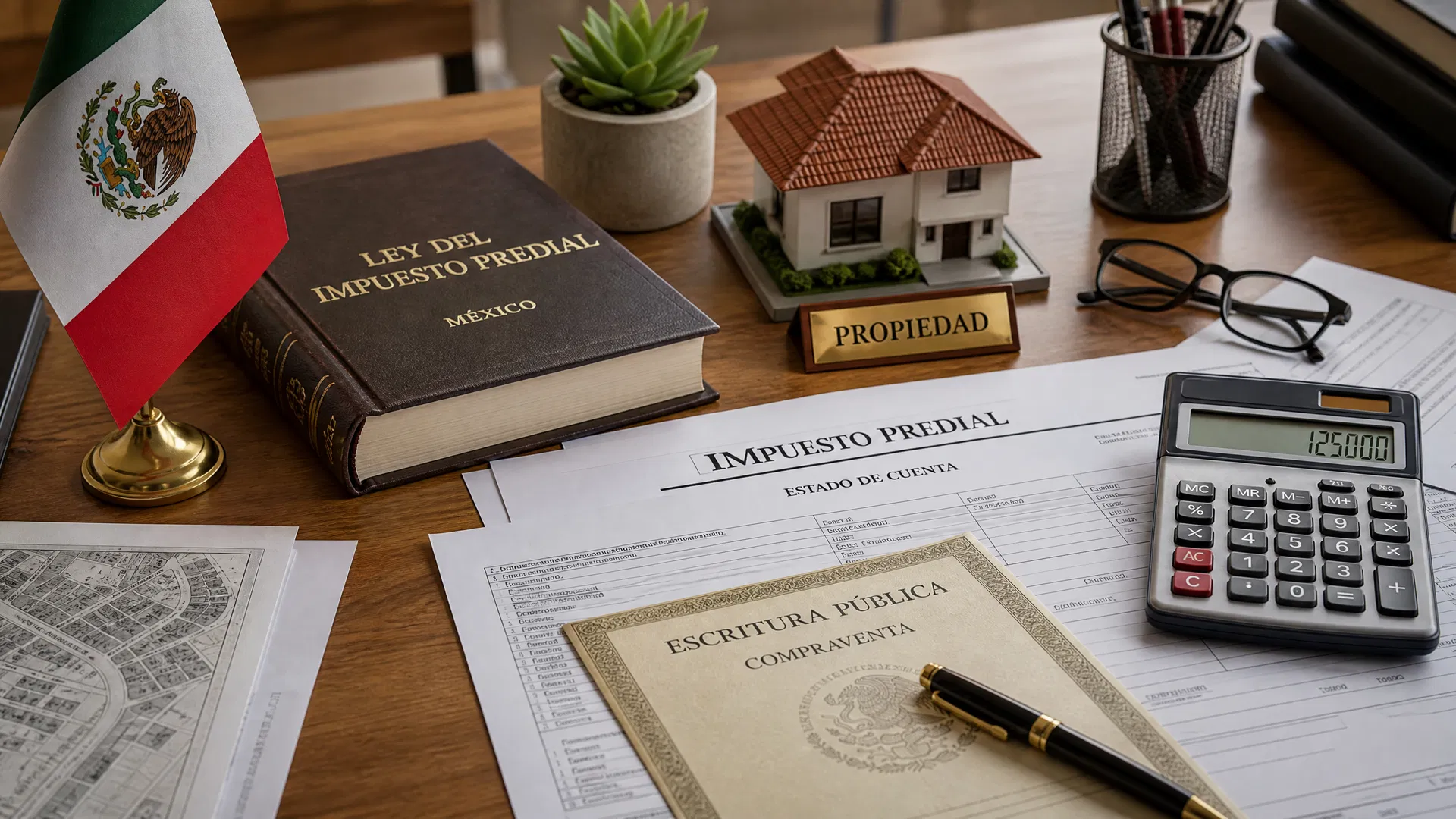
Property tax (predial) is significantly lower than in the US — typically $200–$800 USD annually. HOA fees vary from $200 to $1,500+ USD per month. American citizens must report foreign real estate holdings and rental income on US tax returns (FBAR and FATCA requirements).
Property Tax (Predial)
The annual property tax, known as predial, is remarkably low in Mexico compared to the United States. It is calculated based on a percentage of the property's assessed value, which is often below market value. For a luxury condominium in Playa del Carmen valued at $500,000 USD, the annual predial might be as low as $500-$1,000 USD, a fraction of what similar properties would incur in many US states. Early payment discounts are often available in January and February.
Homeowners Association (HOA) Fees
HOA fees are common for properties within condominiums, gated communities, or resort developments. These fees cover the maintenance of common areas, amenities (pools, gyms, security), and sometimes utilities. The range of $200 to $1,500+ USD per month reflects the diversity of luxury properties, from smaller condos to expansive beachfront residences with extensive services. For example, a high-end condo in a full-service resort in Cancún will naturally have higher HOA fees than a standalone villa in a less amenity-rich community in Mérida.
US Tax Obligations for Foreign Property Owners
American citizens are subject to worldwide taxation, meaning they must report all income and assets, regardless of where they are located. This includes foreign real estate holdings and any rental income generated from them. The Foreign Bank and Financial Accounts Report (FBAR) and the Foreign Account Tax Compliance Act (FATCA) requirements mandate reporting of foreign financial accounts and assets. It is crucial to consult with a tax professional specializing in international taxation to ensure compliance and avoid penalties. Understanding these obligations upfront is a key part of responsible foreign property ownership.
Financing Your Mexican Property Purchase
While cash purchases are common among foreign buyers in Mexico, several financing options exist, though they differ significantly from those available in the United States. Understanding these avenues is crucial for planning your investment.
Cash Purchases and Wire Transfers
The majority of foreign real estate transactions in Mexico are cash purchases. This simplifies the process and often provides leverage in negotiations. Funds are typically transferred via international wire transfer to the notary's trust account or a reputable escrow service. It is imperative to use established financial institutions and follow all anti-money laundering regulations, both in the US and Mexico.
Mexican Mortgages for Foreigners
Securing a traditional mortgage from a Mexican bank can be challenging for foreigners, but it is possible. Requirements often include a significant down payment (30-50%), a strong credit history, and proof of income. Interest rates may be higher than those in the US, and the application process can be lengthy. Some specialized lenders cater specifically to foreign buyers, offering more flexible terms. However, it is essential to compare rates and terms carefully.
US-Based Financing Options
Some American buyers opt to finance their Mexican property by taking out a loan against an existing property in the US (e.g., a home equity line of credit or HELOC). This can offer more favorable interest rates and familiar terms. However, this approach ties your Mexican investment to your US assets, which should be considered carefully. Consulting with a financial advisor to explore the best financing strategy for your individual circumstances is highly recommended. Buying Guide
Exploring Prime Locations in the Riviera Maya and Yucatán Peninsula
The appeal of Mexico's luxury real estate market is deeply intertwined with its diverse and captivating locations. Each region offers a unique blend of lifestyle, investment potential, and natural beauty.
Cancún: The Gateway to Luxury
Cancún remains a global tourism powerhouse, known for its pristine white-sand beaches, vibrant nightlife, and world-class resorts. Luxury properties here often feature stunning ocean views, direct beach access, and proximity to international airports and amenities. Investment in Cancún offers strong rental income potential due to its established tourism infrastructure and consistent demand. The hotel zone, in particular, boasts high-end condominiums and exclusive residential communities, with property values steadily appreciating due to ongoing development and international interest.
Playa del Carmen: Cosmopolitan Charm
Located in the heart of the Riviera Maya, Playa del Carmen offers a more bohemian yet sophisticated atmosphere than Cancún. Its pedestrian-friendly Quinta Avenida (Fifth Avenue) is lined with upscale boutiques, gourmet restaurants, and lively cafes. Luxury properties range from stylish downtown condos to exclusive villas in gated communities like Playacar. Playa del Carmen attracts a diverse expatriate community and tourists, making it an excellent location for both personal enjoyment and rental income generation. The ongoing development of new luxury residences continues to drive market growth.
Tulum: Eco-Chic and High Growth
Tulum has rapidly transformed into a global hotspot, celebrated for its eco-chic lifestyle, ancient Mayan ruins, and stunning cenotes. The luxury real estate market here is characterized by sustainable design, boutique developments, and a focus on wellness and nature. Properties often feature natural materials, private pools, and integration with the lush jungle environment. While prices have seen significant appreciation in recent years, Tulum continues to offer strong investment potential, particularly in areas like Aldea Zamá and La Veleta, which are developing rapidly with high-end residential and commercial projects. Its unique brand attracts a discerning clientele, ensuring robust rental demand. Explore Areas
Mérida: Colonial Grandeur and Cultural Richness
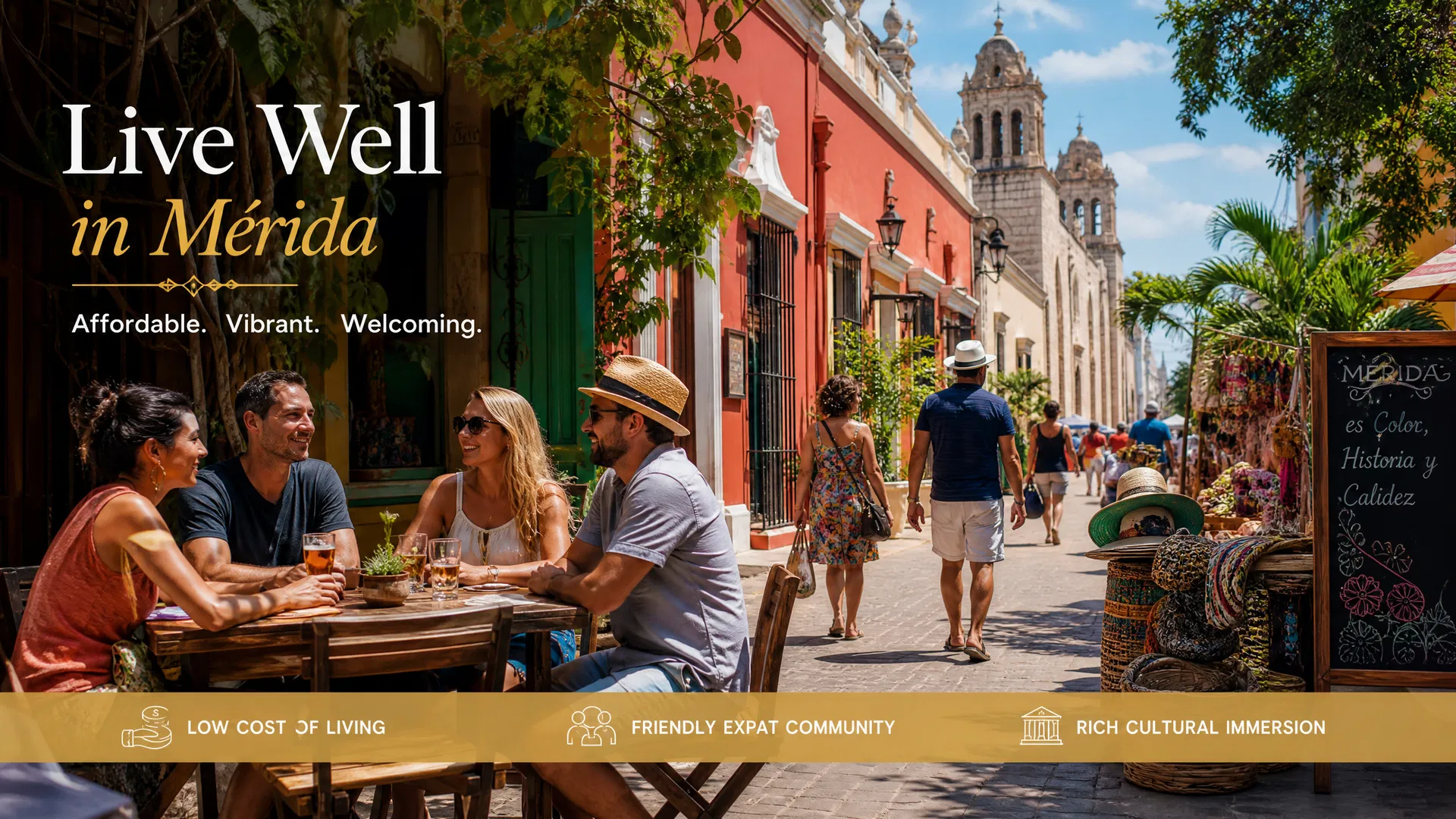
Moving inland to the Yucatán Peninsula, Mérida offers a stark contrast to the coastal cities. This colonial gem is renowned for its rich history, vibrant culture, and elegant architecture. Luxury properties in Mérida often include beautifully restored colonial mansions in the historic center, as well as modern residences in upscale neighborhoods. The city provides a high quality of life, excellent healthcare, and a strong sense of community, attracting retirees and those seeking a more authentic Mexican experience. While not a beachfront destination, Mérida's stable real estate market and cultural appeal make it a compelling investment, often at a lower price point than coastal luxury properties.
The Yucatán Coast: Emerging Opportunities
Beyond the well-known destinations, the Yucatán Coast offers emerging opportunities for luxury real estate. Areas like Progreso and Telchac Puerto provide a more tranquil, authentic coastal living experience. Here, you can find beachfront homes and lots at more accessible prices, with significant potential for appreciation as infrastructure develops and more buyers discover these hidden gems. These areas are particularly attractive to those seeking privacy and a slower pace of life, while still being within a reasonable drive of Mérida's amenities.
Why Work with Mexico Luxury Properties
With 14 years of experience guiding American and Canadian buyers through the Mexican real estate market, Mexico Luxury Properties offers expertise and market knowledge that independent buyers cannot replicate. Our team of AMPI-certified advisors provides personalized service, from initial property search to closing and beyond. We specialize in the luxury segment across the Riviera Maya, Cancún, Tulum, Mérida, and the Yucatán Peninsula, ensuring access to exclusive listings and unparalleled insights. Our data-driven approach means we provide honest, transparent advice, helping you make informed decisions that align with your financial and lifestyle goals. We understand the nuances of foreign ownership, legal frameworks, and local market dynamics, acting as your trusted partner throughout the entire process. Our commitment is to secure your investment and help you realize your dream of owning a piece of paradise in Mexico. Blog