Restoring a Colonial Home in Mérida
Buying and restoring a colonial mansion in Mérida's historic centro is a rewarding project. Learn about costs, permits, contractors and what to expect from start to finish.
Carlos Mendoza
Senior Real Estate Advisor
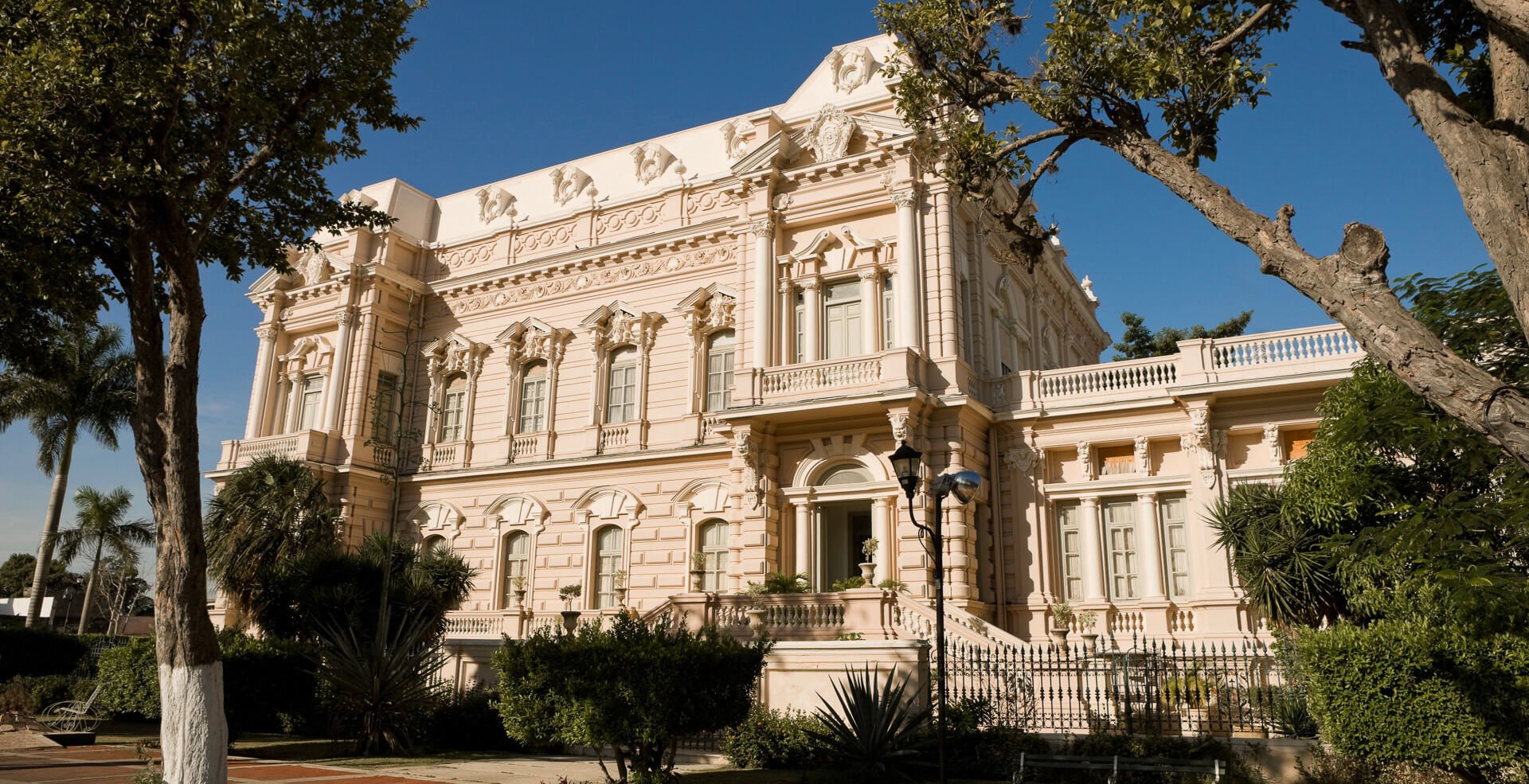
There is something deeply compelling about walking through the carved stone doorway of a colonial home in Mérida's centro histórico. Behind weathered facades, these properties reveal soaring ceilings with original pasta tiles, interior courtyards open to the sky, and thick limestone walls that have stood for centuries. Restoring one of these homes has become a dream for many international buyers — and while the results can be spectacular, the process requires realistic expectations and careful planning.
Finding the Right Property
Colonial homes in Mérida's centro range from modest townhouses to grand mansions that once belonged to henequen barons. Prices for unrestored properties typically range from $80,000 USD for a small casa in need of significant work to $500,000+ USD for larger properties with original architectural details intact. Location within the centro matters — homes on or near Paseo de Montejo, the main boulevard, command premium prices, while properties a few blocks further offer better value.
When evaluating a colonial property, structural integrity is the primary concern. Look for signs of foundation settling, roof beam condition (many use original hardwood beams that may need replacement), and the state of the electrical and plumbing systems, which in older homes are often outdated or non-existent by modern standards.
Understanding Mérida's Neighborhoods and Their Historical Significance
Mérida's centro histórico is a tapestry of distinct neighborhoods, each with its own character and historical nuances that influence property values and restoration considerations. For instance, areas immediately surrounding the Plaza Grande, such as Santiago and Santa Lucía, often feature some of the oldest and most architecturally significant properties. These homes, frequently dating back to the 17th and 18th centuries, may present unique challenges and opportunities due to their age and protected status. Properties in these prime locations, especially those within a few blocks of the main square or Paseo de Montejo, can command prices upwards of $750,000 USD even before restoration, reflecting their historical pedigree and walkability to key attractions. In contrast, neighborhoods slightly further afield, like La Mejorada or San Sebastián, offer more accessible entry points, with unrestored homes ranging from $150,000 to $400,000 USD. These areas often provide larger lots and more flexible restoration guidelines, making them attractive for buyers seeking a balance between historical charm and modern living space. Understanding these micro-markets is crucial for setting realistic expectations regarding acquisition costs and potential resale value. Explore Areas to learn more about Mérida's diverse neighborhoods.
The Importance of a Pre-Purchase Structural Survey
Before committing to a purchase, a comprehensive structural survey conducted by a qualified local engineer is indispensable. This goes beyond a standard home inspection, delving into the specific construction methods and materials of colonial architecture. Key areas of focus include the integrity of limestone walls, which can suffer from moisture ingress or shifting foundations over centuries; the condition of original wooden beams, often made from zapote or other tropical hardwoods, which are highly durable but susceptible to termite damage if not properly maintained; and the state of the roof, particularly flat roofs (azoteas) that require meticulous waterproofing. A detailed survey, costing approximately $800-$1,500 USD for a typical 3,000 sq ft property, can uncover hidden issues that might otherwise lead to significant budget overruns. For example, extensive foundation repairs could add $30,000-$70,000 USD to a project, while a complete roof replacement might cost $20,000-$50,000 USD, depending on materials and complexity. Identifying these potential costs upfront allows for more accurate budgeting and stronger negotiation leverage.
The Restoration Process
A typical colonial home restoration in Mérida takes 8-18 months depending on the property's size and condition. The process generally follows this sequence: structural assessment and engineering plans, demolition of non-original additions, structural reinforcement (foundations, walls, roof), installation of modern systems (electrical, plumbing, HVAC), interior finishing (floors, walls, fixtures), and finally landscaping of the courtyard and exterior.
Working with an architect experienced in colonial restoration is essential. Mérida has a growing community of architects who specialize in blending historic preservation with modern comfort — maintaining original pasta tile floors and carved stone details while integrating contemporary kitchens, bathrooms, and climate control systems.
Navigating the Architectural Design Phase: Blending History with Modernity
The architectural design phase is where the vision for your restored colonial home truly takes shape. This involves a delicate balance between preserving historical elements and integrating contemporary amenities. A skilled architect specializing in colonial restoration will meticulously document existing features, such as original pasta tile patterns, carved stone details around doorways and windows, and traditional ironwork. They will then propose designs that respect these elements while introducing modern comforts like open-plan living spaces, state-of-the-art kitchens, and luxurious bathrooms. For example, an architect might suggest carefully removing non-original partition walls to create a more expansive living area, while retaining the original ceiling heights and exposed beams. The integration of smart home technology, energy-efficient appliances, and sustainable building practices is also increasingly common. This phase typically takes 2-4 months, with architectural fees ranging from 8-15% of the total construction cost, depending on the complexity of the project and the architect's reputation. It's crucial to work with an architect who understands both local building codes and INAH regulations to ensure a smooth approval process. Investment Guide for more insights into property development.
Key Stages of Construction: From Demolition to Finishing Touches
The construction phase of a colonial home restoration is a multi-faceted undertaking, requiring meticulous project management. It commences with selective demolition, carefully removing non-original additions or deteriorated structures while preserving historical components. This is followed by structural reinforcement, which might involve underpinning foundations, reinforcing load-bearing walls with steel, or replacing compromised roof beams. Modern infrastructure installation is a critical step, upgrading electrical systems to handle contemporary demands (e.g., 220V for appliances and HVAC), installing new plumbing for efficient water distribution and drainage, and integrating HVAC systems discreetly to maintain aesthetic integrity. Interior finishing involves restoring or replicating original pasta tiles, applying traditional chukum (a natural stucco made from tree bark) finishes to walls, and installing custom cabinetry and fixtures that complement the colonial aesthetic. The final stages include exterior facade restoration, courtyard landscaping with native plants, and the installation of pools or water features, which are highly sought after in Mérida's climate. Each stage requires specialized labor and materials, with skilled artisans often employed for intricate historical detailing. The average timeline for these stages can vary significantly; structural work might take 3-5 months, systems installation 2-3 months, and finishing 3-6 months, all running concurrently where possible.
Costs and Budgeting
Restoration costs in Mérida typically range from $50-$120 USD per square foot, depending on the level of finish and the property's initial condition. A 3,000 square foot colonial home requiring comprehensive restoration might cost $200,000-$350,000 USD in renovation, bringing the total investment (purchase plus restoration) to $300,000-$700,000 USD. The resulting property would likely appraise at a significant premium over the total investment.
Budget overruns are common in restoration projects. At Mexico Luxury Properties, we recommend building a 20-25% contingency into your budget. Surprises are inevitable — a wall that appears solid may reveal termite damage once plaster is removed, or original tile patterns may require custom reproduction when sections are too damaged to salvage.
Detailed Cost Breakdown: What to Expect for Each Major Component
A granular understanding of restoration costs is vital for effective budgeting. While the $50-$120 USD per square foot estimate provides a general guideline, individual components can vary widely. For a 3,000 sq ft property, structural repairs (foundations, walls, roof) could account for $45,000-$90,000 USD. This includes materials like rebar, cement, and specialized waterproofing membranes, as well as labor for skilled masons and engineers. Electrical and plumbing upgrades, essential for modern living, typically range from $30,000-$60,000 USD, covering new wiring, panels, pipes, fixtures, and labor for certified technicians. HVAC installation, particularly mini-split systems common in Mérida, might add $15,000-$30,000 USD, depending on the number of units and zones. Interior finishes, such as pasta tile restoration or reproduction (which can cost $30-$60 USD per square foot for custom work), chukum application ($5-$10 USD per square foot), custom carpentry, and high-end fixtures, can easily reach $75,000-$150,000 USD. Landscaping and pool installation, often a significant feature of colonial homes, can range from $20,000-$50,000 USD or more, depending on the complexity of the design and materials chosen. These figures are estimates and can fluctuate based on material availability, labor costs, and the specific demands of the project. A detailed budget, prepared with your architect and contractor, is indispensable. Buying Guide for comprehensive financial planning advice.
Managing Unexpected Expenses and Contingency Planning
The 20-25% contingency budget recommended by Mexico Luxury Properties is not merely a suggestion; it is a critical component of successful colonial home restoration. Unexpected issues are almost guaranteed in properties that are often over a century old. For example, discovering extensive termite damage in structural beams or hidden moisture problems behind plaster can necessitate immediate and costly interventions. The removal of existing layers of paint and plaster might reveal beautiful original stone or brickwork, but also significant cracks or deterioration requiring specialized repair. Furthermore, the availability of specific historical materials, such as particular pasta tile patterns or custom-milled hardwoods, might lead to delays and increased costs if reproduction is required. Fluctuations in material prices or unforeseen labor challenges can also impact the budget. A well-managed contingency fund allows for these issues to be addressed promptly without derailing the entire project. It also provides peace of mind, knowing that unforeseen challenges can be met without compromising the quality or integrity of the restoration. Regular communication with your project manager and architect about budget status and potential overruns is paramount.
Permits and Regulations
Properties in Mérida's centro histórico fall under INAH (Instituto Nacional de Antropología e Historia) oversight, which means exterior modifications require approval to maintain the historic character of the neighborhood. This generally means preserving the street-facing facade, maintaining original window and door proportions, and using appropriate materials. Interior modifications are more flexible, though structural changes still require proper permits.
The permit process can add 2-4 months to your timeline. Working with a local architect who has established relationships with INAH and municipal authorities can significantly streamline this process.
Navigating INAH Regulations: Preserving Mérida's Architectural Heritage
The Instituto Nacional de Antropología e Historia (INAH) plays a pivotal role in preserving the architectural integrity of Mérida's centro histórico. Their regulations are stringent, particularly concerning exterior modifications, to ensure that the historical essence of the city is maintained. This means any changes to the facade, including paint colors, window styles, door designs, and even the type of exterior lighting, must adhere to INAH guidelines. For example, modern aluminum windows are typically not permitted on street-facing facades; instead, wooden windows with traditional designs are often required. The use of historically appropriate materials, such as chukum stucco or natural stone, is also emphasized. While interior modifications offer more flexibility, any structural changes, such as adding a second story or significantly altering load-bearing walls, still require INAH approval. The review process involves submitting detailed architectural plans, historical documentation, and sometimes even archaeological surveys if the property is particularly old or located in a sensitive area. This process can be lengthy, often taking 3-6 months, and requires a deep understanding of INAH's specific requirements. An architect with a proven track record of successful INAH approvals is an invaluable asset, as their expertise can significantly expedite the process and avoid costly rejections. Read our blog for more articles on living in Mérida.
Local Municipal Permits and Utility Connections
Beyond INAH, local municipal permits are also essential for any restoration project in Mérida. These permits cover aspects such as construction licenses, electrical and plumbing installations, and occupancy permits. The municipal government ensures that all construction adheres to local building codes, safety standards, and zoning regulations. Obtaining a construction license (Licencia de Construcción) is typically the first step after INAH approval, and it can take 1-2 months to process. This license is crucial for commencing any significant building work. Furthermore, connecting to municipal utilities—water, electricity, and drainage—requires separate permits and inspections. While Mérida's infrastructure is generally robust, older colonial homes may require extensive upgrades to their utility connections to meet modern demands. For instance, upgrading an electrical connection from a single-phase to a three-phase system to support multiple air conditioning units and modern appliances can be a complex process involving coordination with the Comisión Federal de Electricidad (CFE). Similarly, ensuring proper drainage and wastewater management is critical, especially in areas prone to heavy rainfall. Navigating these municipal processes efficiently often relies on the local knowledge and established relationships of your architect and contractor, who can liaise with the relevant departments on your behalf, minimizing delays and ensuring compliance. View Properties that have undergone successful restorations.
The Role of Professionals: Architects, Contractors, and Lawyers
Successfully restoring a colonial home in Mérida is a team effort, and assembling the right group of professionals is paramount. Your architect is not just a designer; they are your primary guide through the complexities of local regulations, historical preservation, and construction. They will translate your vision into actionable plans, manage the permit process with INAH and municipal authorities, and often oversee the construction to ensure quality and adherence to design. Fees for experienced architects typically range from 8% to 15% of the total construction cost, depending on the scope of services (design only vs. full project management). It is advisable to choose an architect with a portfolio of successful colonial restorations in Mérida, as their experience with local materials, construction techniques, and regulatory bodies is invaluable.
Selecting a Qualified Contractor
The contractor brings the architectural plans to life. For colonial restorations, it is crucial to select a contractor with a proven track record in historical properties. This specialization ensures they understand the nuances of working with traditional materials like chukum, pasta tiles, and original stone, as well as the structural considerations unique to older buildings. A good contractor will provide transparent cost estimates, adhere to timelines, and manage skilled labor, including specialized artisans for intricate work. Obtain multiple bids and thoroughly check references. A detailed contract outlining scope of work, payment schedules, and a clear change order process is essential. Expect to pay a deposit, typically 30-50% upfront, with subsequent payments tied to project milestones. The cost of a reputable contractor will be integrated into the overall per-square-foot restoration estimate, but their expertise can prevent costly mistakes and delays.
Legal and Financial Considerations: Protecting Your Investment
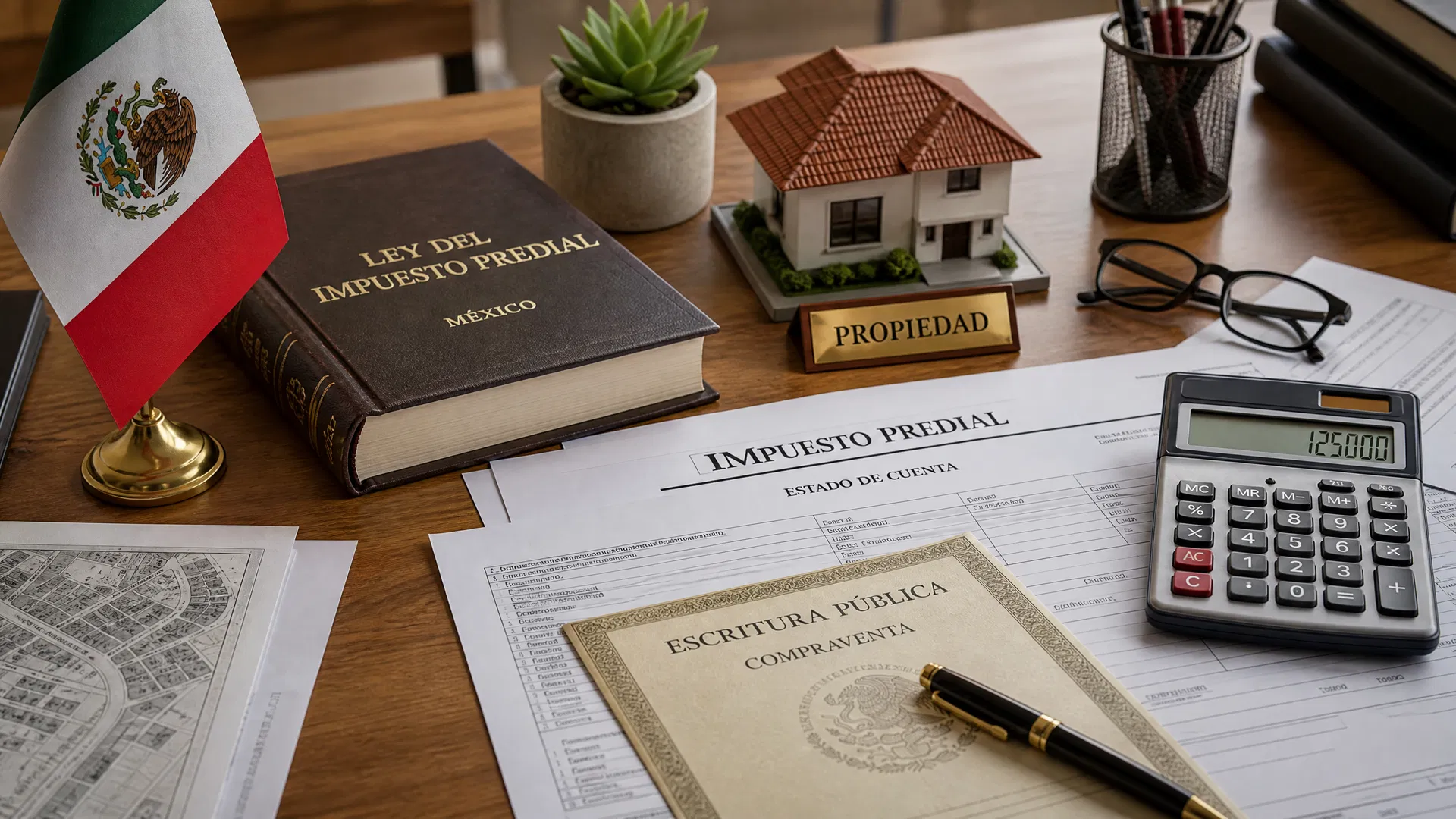
Purchasing and restoring property in a foreign country requires careful legal and financial planning. Engaging a local attorney specializing in real estate is non-negotiable. They will conduct due diligence on the property title, ensure all permits are in order, and guide you through the closing process. For foreign buyers, property ownership in Mexico often involves a bank trust (fideicomiso) for properties within the restricted zone (50 km from the coast, 100 km from borders). Your attorney will explain this process and ensure your investment is legally secure. Legal fees typically range from 1% to 2% of the property value. On the financial side, consider the implications of currency exchange rates and international wire transfers. Establishing a local bank account can streamline payments to contractors and suppliers. Explore options for property insurance that covers historical homes and construction risks. Understanding the local tax implications, including property taxes (predial) and potential capital gains tax upon sale, is also crucial for long-term financial planning. Investment Guide for detailed financial strategies.
Integrating Modern Amenities and Sustainable Practices
While preserving the historical charm of a colonial home is paramount, integrating modern amenities and sustainable practices can significantly enhance comfort, efficiency, and long-term value. Contemporary buyers expect reliable electricity, efficient plumbing, high-speed internet, and effective climate control. Thoughtful integration ensures these modern conveniences do not detract from the home's historical aesthetic.
Smart Home Technology and Energy Efficiency
Modern restoration projects increasingly incorporate smart home technology, allowing for centralized control of lighting, climate, security, and entertainment systems. This can be discreetly integrated, with wiring hidden within walls and control panels designed to blend with the interior. Energy efficiency is another key consideration. Given Mérida's warm climate, efficient air conditioning is vital. Installing inverter-technology mini-split units, strategically placed to minimize visual impact, can significantly reduce electricity consumption. High-quality insulation in roofs and walls, where feasible, further enhances thermal performance. Solar panels are also becoming a popular addition, particularly for homes with ample roof space, offering substantial savings on electricity bills and reducing the environmental footprint. A typical solar panel installation for a 3,000 sq ft home might cost $10,000-$25,000 USD, with a payback period of 5-8 years, depending on energy consumption. These investments not only improve living comfort but also appeal to environmentally conscious buyers, potentially increasing resale value.
Water Management and Landscaping for Mérida's Climate
Effective water management is crucial in Mérida, given its tropical climate and reliance on groundwater. Restored colonial homes often feature beautiful interior courtyards and gardens, which require thoughtful irrigation. Implementing rainwater harvesting systems can provide a sustainable source of water for landscaping, reducing reliance on municipal supplies. Cisterns (underground water storage tanks) are traditional in Mérida and can be integrated or restored to collect rainwater. For landscaping, prioritizing native, drought-tolerant plants reduces water consumption and maintenance. The design of courtyards and pools should also consider water efficiency, with modern filtration systems and efficient pumps. Greywater recycling systems, though less common, can also be considered for irrigation purposes. These sustainable water practices not only contribute to environmental conservation but also result in lower utility bills for homeowners. The cost for a basic rainwater harvesting system and cistern integration can range from $3,000-$8,000 USD, while a well-designed, water-efficient landscape might add $5,000-$15,000 USD to the project budget, depending on size and plant selection.
The Lifestyle and Investment Value of a Mérida Colonial Home
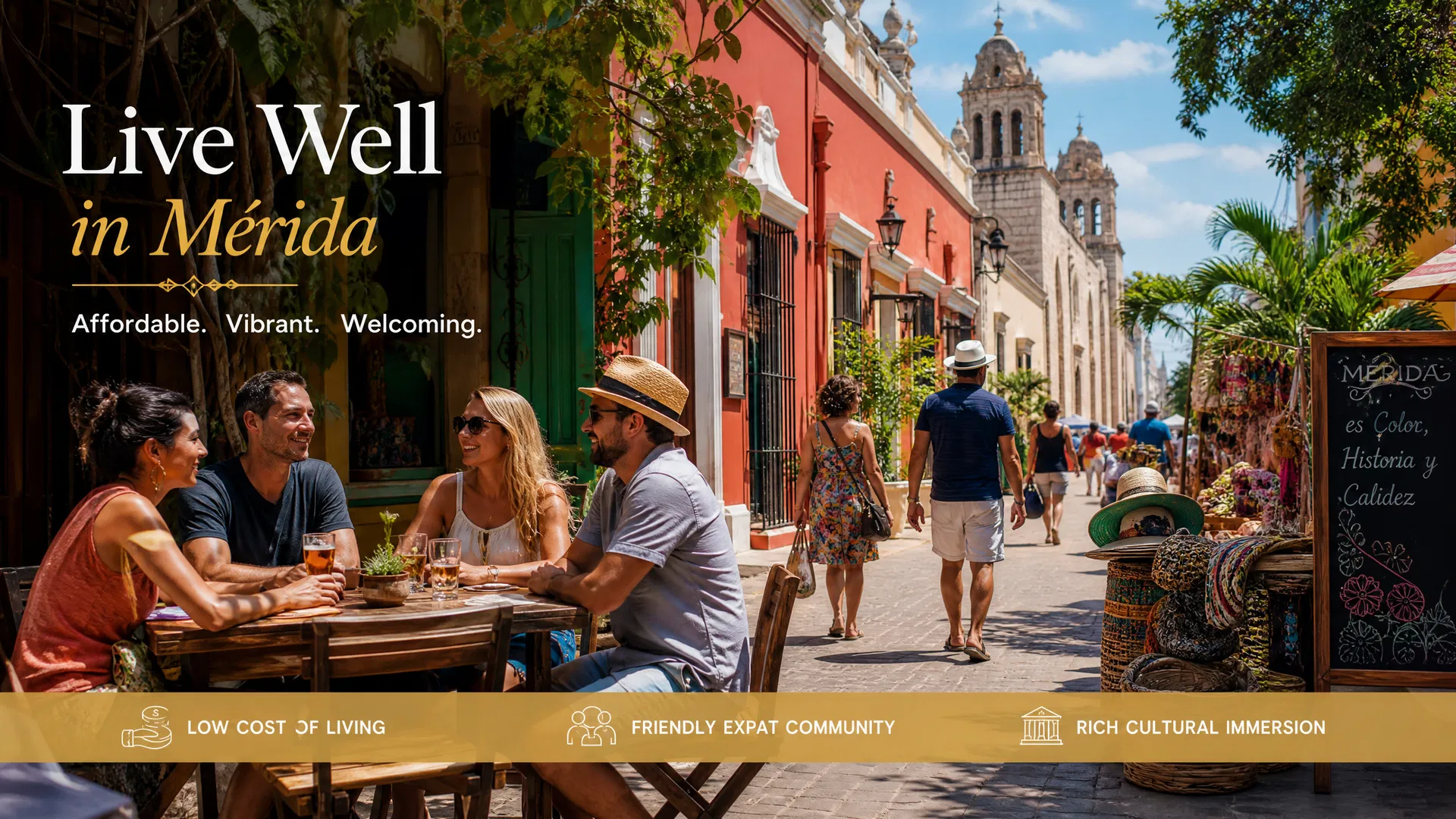
Beyond the architectural beauty and the satisfaction of preserving history, owning a restored colonial home in Mérida offers a unique lifestyle and a sound investment opportunity. The city consistently ranks as one of the safest in Mexico, boasting a rich cultural scene, excellent gastronomy, and a welcoming expatriate community. The ability to walk to vibrant markets, world-class restaurants, and cultural events from your home in the centro histórico is a significant draw.
Mérida as a Lifestyle Destination for North American Buyers
Mérida has become a premier destination for North American retirees and those seeking a vibrant, culturally rich lifestyle. The city offers a high quality of life at a lower cost than many comparable cities in the US or Canada. Healthcare facilities are excellent, and the climate, while warm, is mitigated by the sea breeze from the nearby Gulf Coast. The expatriate community is active and diverse, offering numerous social opportunities and support networks. Cultural events, from free concerts in the plazas to international film festivals, are abundant. The proximity to stunning Mayan ruins, cenotes, and the beaches of Progreso and Celestún further enhances Mérida's appeal. Owning a colonial home places you at the heart of this experience, offering an authentic immersion into Yucatecan culture while providing a private oasis of comfort and beauty. Many buyers find that the slower pace of life, combined with modern conveniences, offers an ideal balance. Explore Areas to discover more about the unique charm of Mérida.
Appreciation and Rental Potential: A Solid Investment
The investment value of a restored colonial home in Mérida has shown consistent appreciation over the past decade. Properties in the centro histórico, particularly those meticulously restored, are highly sought after. The scarcity of such unique historical properties, combined with increasing demand from international buyers, contributes to their strong market performance. While market conditions can fluctuate, well-maintained colonial homes have historically outperformed other real estate segments in the region. Furthermore, these properties offer significant rental potential, particularly for short-term vacation rentals. Mérida is a popular tourist destination, and a beautifully restored colonial home with modern amenities and a pool can command premium nightly rates, especially during the high season (November to April). Rental income can offset ownership costs and provide a healthy return on investment. A typical 2-bedroom restored colonial home can generate $150-$300 USD per night, with occupancy rates often exceeding 70% during peak season. This dual benefit of capital appreciation and rental income makes a colonial home restoration a compelling investment for discerning buyers. Sell Your Property to understand the market value of such unique assets.
Conclusion: The Enduring Appeal of Mérida's Colonial Homes
Restoring a colonial home in Mérida is more than just a construction project; it is an act of preservation, a creative endeavor, and an investment in a unique lifestyle. The journey, while demanding, culminates in owning a piece of history, meticulously updated for modern living, nestled in one of Mexico's most enchanting cities. The blend of architectural grandeur, cultural richness, and strong investment potential ensures that the allure of Mérida's colonial homes will continue to captivate discerning buyers for generations to come.