Pre-Construction in Mexico: Smart Buying Guide
Pre-construction offers the best prices and payment flexibility — but carries risks. Learn how to buy pre-sale property in Mexico safely, with our expert step-by-step guide.
Carlos Mendoza
Investment Strategy Director
Pre-construction purchases represent one of the most compelling opportunities in Mexico's luxury real estate market — and one of the most misunderstood. Buyers who approach these transactions with the right framework can secure properties at 20-35% below their eventual market value, benefit from flexible payment structures that spread investment over time, and enter developments with strong appreciation potential before prices reflect completed-project premiums. Those who approach them without adequate preparation can face delays, quality disappointments, or in the worst cases, projects that never deliver. The difference between these outcomes lies almost entirely in the quality of due diligence.
The allure of pre-construction in regions like the Riviera Maya (Tulum, Playa del Carmen, Cancún) and the Yucatán Peninsula (Mérida) stems from significant capital appreciation potential. This is especially true in rapidly growing markets with increasing demand from international buyers (primarily US and Canada) seeking lifestyle investments and robust rental income. Navigating this landscape requires a nuanced understanding of local regulations, market dynamics, and specific development characteristics. Our Buying Guide offers a comprehensive overview for prospective buyers.
Why Pre-Construction Prices Are Lower
Developers offer pre-construction pricing to secure capital for construction. Early buyers receive a price discount, compensating for the risk of purchasing an unbuilt property. As construction progresses and the project becomes tangible, prices increase, typically in stages tied to milestones. By completion, prices usually reflect the reduced risk.
In Mexico's Riviera Maya and Yucatán, pre-construction discounts typically range from 15% to 35% below projected completion-phase prices. For a $300,000 USD property, this represents $45,000 to $105,000 USD in potential appreciation before occupancy. This built-in equity is why experienced investors favor pre-construction. For a deeper dive into investment strategies, see our Investment Guide.
This tiered pricing model strategically incentivizes early investors. For instance, a developer might release the first 20% of units at a 30% discount during the conceptual phase, followed by a 20% discount for the next 30% of units once foundations are laid, and a 10% discount during the structural phase. Units nearing completion are sold at full market value, reflecting reduced risk and immediate occupancy. This structure provides a financial advantage to early buyers and helps developers secure capital without excessive reliance on traditional bank financing, which can be costly and rigid in emerging markets.
The Advantage of Early Entry in High-Growth Areas
The Riviera Maya, particularly Tulum and Playa del Carmen, has seen exponential growth from tourism and foreign investment. This translates to rapid appreciation for well-located properties. For example, a luxury condominium in Tulum purchased pre-construction in 2020 for $250,000 USD could realistically be valued at $350,000 to $400,000 USD upon completion in 2023, a 40-60% increase. This appreciation often outpaces traditional investment vehicles, making pre-construction an attractive option for diversifying portfolios with tangible assets in a dynamic market. Identifying areas with strong underlying demand and limited supply of high-quality developments is key.
Evaluating the Developer
The developer's track record is the most important factor in any pre-construction purchase. A developer with a history of on-time, to-specification project delivery presents a fundamentally different risk profile than a first-time developer. At Mexico Luxury Properties, our evaluation begins with a thorough review of the developer's history.
Key questions: How many projects completed? Delivered on schedule? Do completed projects match renderings and specifications? Are existing owners willing to speak about their experience? Does the developer have financial backing beyond buyer deposits? A developer lacking transparency warrants caution.
Assessing Developer Experience and Portfolio
Beyond simply asking about past projects, a thorough evaluation involves examining the developer's portfolio in detail. This includes visiting previously completed developments, if possible, to assess construction quality, finishes, and ongoing maintenance. A developer with a proven track record in luxury residential high-rises in Cancún will have different expertise than one specializing in eco-chic boutique hotels in Tulum. Understanding their specific niche and success is crucial. Investigating their financial partners and access to capital provides insight into their ability to weather unforeseen challenges, such as material cost fluctuations or construction delays, without compromising project delivery.
The Role of Local Partnerships and Reputation
In Mexico, strong local partnerships often indicate a developer's reliability and community integration. This includes relationships with reputable local contractors, architects, and legal firms. A developer with a long-standing positive reputation among local stakeholders and past clients is generally a safer bet. Online reviews, local real estate forums, and direct testimonials offer valuable insights into their operational transparency and commitment to client satisfaction. Mexico Luxury Properties leverages its extensive local network to gather critical, often unadvertised, intelligence on developers operating in the Riviera Maya and Yucatán.
Understanding Payment Structures
Pre-construction purchases in Mexico typically follow staged payment structures, not full payment at signing. A common structure involves a 10-30% deposit at contract signing, followed by installment payments tied to construction milestones (foundation, structure, enclosure, finishing), with the balance due at delivery. Some developers offer extended payment plans over 24-36 months, making pre-construction accessible to buyers who prefer to spread their investment.
Understanding deposit protection during delays or cancellations is essential. Reputable developers hold buyer deposits in escrow, separate from operating funds, protecting your money even if financial difficulties arise. Always verify and document escrow arrangements in the purchase contract.
Variations in Payment Plans and Negotiation
While 10-30% down payments and milestone-based installments are common, some developers offer aggressive incentives for larger initial deposits, such as a 50% down payment for an additional 5-10% discount. Conversely, some offer more flexible, longer-term payment plans with smaller initial deposits, catering to buyers who prefer to spread their financial commitment over an extended period, sometimes up to 48 months. Buyers must understand that these payment structures are often negotiable, especially for early-phase purchases. Engaging a knowledgeable real estate advisor can facilitate negotiations to secure terms aligning with individual financial strategies.
The Importance of Escrow and Fideicomiso Protection
The role of an escrow account is paramount in pre-construction purchases. In Mexico, a properly structured escrow ensures buyer funds are held by a neutral third party and released to the developer only upon predefined construction milestones. This provides vital security, safeguarding the buyer's investment against potential developer insolvency or project abandonment. For foreign buyers, the fideicomiso (bank trust) that will eventually hold the property title also offers protection during the pre-construction phase, legally separating the property from the developer's assets. Verifying the existence and terms of both the escrow and fideicomiso in the purchase agreement is a non-negotiable step in due diligence.
Legal Due Diligence
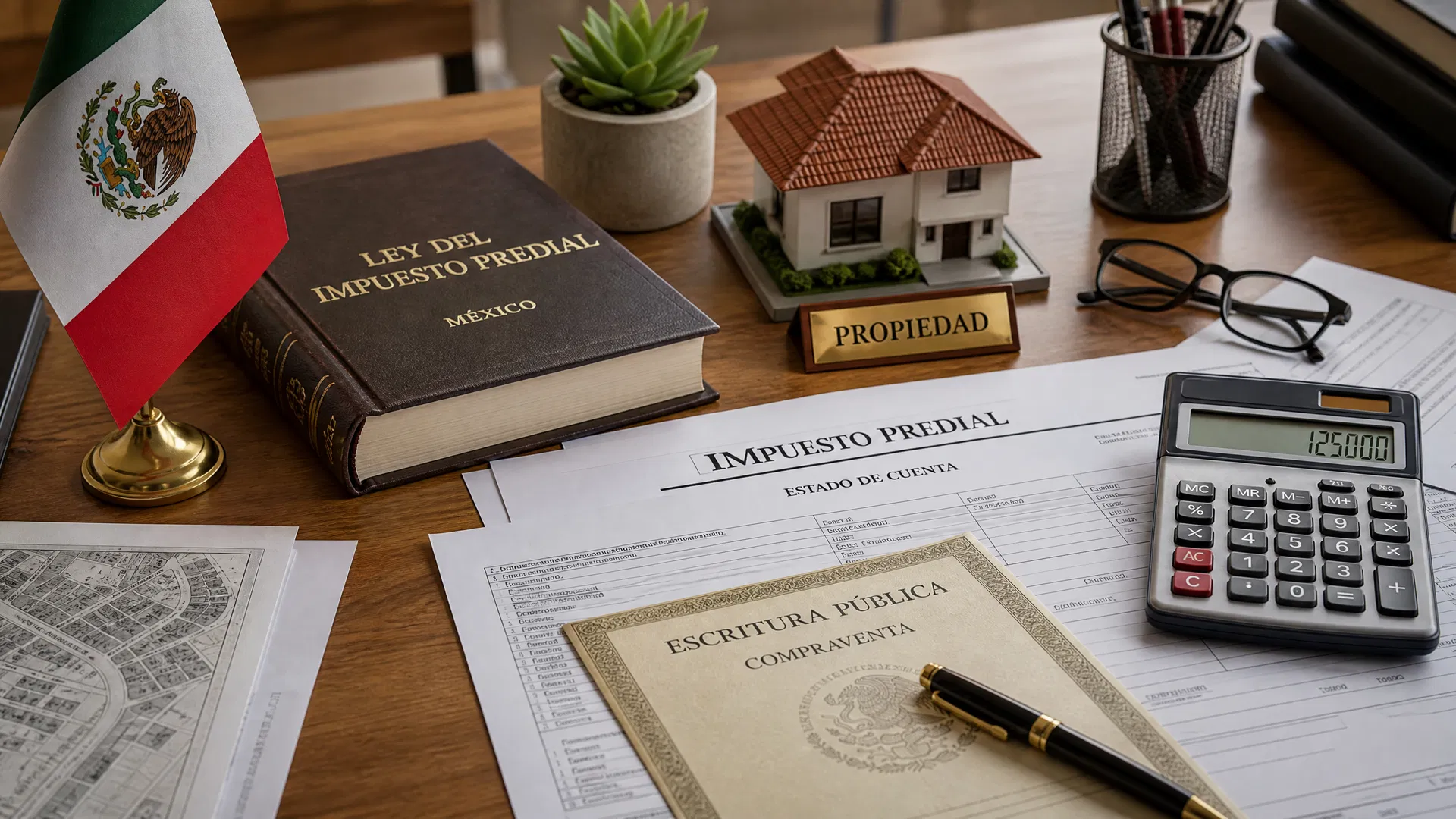
Pre-construction purchases demand legal due diligence, often more extensive than for completed properties. Your attorney should verify the developer's land title, confirm all construction permits, and review condominium regime documents. In Mexico's restricted zone (within 50 kilometers of the coast), foreign buyers typically use a promesa de compraventa (purchase promise) that converts to a fideicomiso upon delivery. The legal structure requires careful review to protect your rights throughout construction, not just at delivery.
Verifying Land Title and Permits
A critical component of legal due diligence is verifying the developer's clear and unencumbered title to the land. This involves a thorough search of the Public Registry of Property (Registro Público de la Propiedad) to ensure no liens, encumbrances, or disputes jeopardize the project. Equally important is confirming all necessary municipal, state, and federal construction permits are obtained, including environmental impact assessments (MIA), building licenses, and zoning approvals. Operating without proper permits can lead to construction halts, fines, and even demolition, resulting in significant delays and financial losses. A reputable legal team will insist on seeing original documentation and cross-referencing it with official records.
Understanding the Promesa de Compraventa and Fideicomiso
For foreign buyers, especially in the restricted zone, the legal framework often begins with a promesa de compraventa, or promise to purchase agreement. This preliminary contract outlines sale terms, including price, payment schedule, and delivery date, serving as a binding commitment. Upon construction completion and prior to formal title transfer, the promesa typically converts into a fideicomiso. The fideicomiso is a bank trust allowing foreign individuals beneficial ownership of property in the restricted zone for renewable 50-year periods, granting all ownership rights. Understanding these legal instruments and ensuring they protect buyer interests is paramount. Mexico Luxury Properties works with experienced legal counsel specializing in foreign real estate investment to guide clients through this complex process.
Rental Yield Projections: A Note of Caution
Pre-construction marketing often includes attractive rental yield projections. At Mexico Luxury Properties, we encourage healthy skepticism. Actual rental performance depends on location, management quality, market conditions at delivery, and competition—factors difficult to predict years in advance.
A more reliable approach is to research actual rental performance of comparable completed properties in the same area, using platforms like Airbnb and VRBO to assess realistic occupancy rates and nightly prices. This ground-level research provides a more honest basis for investment projections than developer-provided estimates.
Factors Influencing Rental Performance in the Riviera Maya
The Riviera Maya offers diverse rental markets. A luxury beachfront condo in Playa del Carmen might command higher nightly rates but experience seasonal fluctuations, with peak occupancy during winter (December to April). Conversely, a property in a master-planned community in Tulum, focusing on wellness tourism, might attract consistent year-round clientele, albeit at slightly lower average daily rates. Factors like proximity to major attractions (e.g., Mayan ruins, cenotes, theme parks), quality of property management, amenities (e.g., private pools, concierge services), and accessibility to Cancún International Airport significantly influence rental income. Investors should also consider the competitive landscape, as new developments continuously enter the market, potentially impacting occupancy and pricing strategies. Detailed analysis of specific sub-markets like Aldea Zamá in Tulum or Playacar in Playa del Carmen can yield more accurate rental forecasts.
Beyond Short-Term Rentals: Long-Term Lease Potential
While short-term vacation rentals are often the primary focus, considering long-term leases is prudent. In cities like Mérida, with a growing expatriate community and strong local economy, long-term rental demand for quality properties is robust. A luxury home in Mérida's historic center or a modern apartment in a desirable neighborhood could generate stable, predictable income from long-term tenants, often with less operational overhead than short-term rentals. This dual potential provides flexibility and a hedge against market shifts. Understanding local demographics and economic drivers is key to optimizing rental strategies. The influx of digital nomads and remote workers has created new demand for mid-to-long-term furnished rentals in areas with good connectivity and amenities.
With proper due diligence, pre-construction purchases in Mexico's luxury market remain attractive investment opportunities for international buyers. The key is knowing what to look for and having experienced advisors. Explore our Blog for more insights.
Financing Pre-Construction Purchases
Pre-construction purchases offer flexible payment plans, but understanding international buyer financing is crucial. Most foreign buyers opt for cash or home-country financing, as traditional Mexican mortgages for non-residents are complex with higher rates. However, some developers offer direct financing for luxury pre-construction projects, an attractive alternative.
Developer Financing and Payment Plans
Many Riviera Maya and Yucatán luxury developers offer in-house financing with competitive terms for pre-construction buyers. Plans typically involve a larger down payment (e.g., 30-50%) followed by interest-free installments during construction, with a final balloon payment upon delivery. For example, a developer might offer a 30% down payment, 60% over 24 interest-free monthly payments, and 10% at closing. These advantageous terms eliminate traditional bank loans and their associated fees/interest. Scrutinizing developer financing terms, including penalties for late payments or early payoff options, and ensuring clear stipulation in the purchase agreement is essential.
International Mortgage Options
For buyers preferring traditional financing, a home-country mortgage is often the most straightforward option. Many North American banks lend against international properties, though the process is more involved. Alternatively, specialized Mexican lenders cater to foreign buyers, offering mortgages (5-20 years, 8-12% annual interest). These usually require a substantial down payment (30-50%) and a thorough financial history review. Mexico Luxury Properties connects buyers with reputable international mortgage brokers specializing in Mexican real estate. You can also View Properties to see current pre-construction opportunities.
The Role of a Trusted Real Estate Advisor
Navigating pre-construction purchases in Mexico can be daunting. A trusted real estate advisor's expertise is invaluable. A seasoned professional specializing in luxury properties in the Riviera Maya and Yucatán offers critical insights, facilitates due diligence, and acts as a crucial intermediary between buyer and developer.
Local Market Expertise and Developer Relationships
A reputable real estate advisor possesses in-depth knowledge of local market dynamics: emerging areas, appreciation trends, and rental demand in specific sub-markets. They identify reputable developers with proven track records and provide unbiased assessments of new projects. At Mexico Luxury Properties, our advisors maintain strong relationships with leading developers, often gaining access to exclusive pre-launch opportunities and preferred pricing. This insider knowledge is critical for identifying exceptional investment opportunities and avoiding pitfalls.
Guidance Through Legal and Financial Processes
Beyond market insights, a skilled advisor guides buyers through intricate legal and financial processes unique to Mexican real estate, explaining the nuances of the fideicomiso, escrow accounts, and promesa de compraventa. They work with trusted legal counsel and financial experts to ensure meticulous documentation review and buyer interest protection. Their role extends to assisting with currency exchange, tax implications, and connecting buyers with reliable property management services post-completion, ensuring a seamless transition from purchase to ownership and potential rental income generation.
Key Considerations for Specific Locations
While general principles of smart pre-construction buying apply across the Riviera Maya and Yucatán Peninsula, each location presents unique opportunities and considerations. Understanding these regional nuances is crucial for informed investment decisions aligning with specific goals: personal use, rental income, or long-term appreciation. Explore Areas to learn more about the unique characteristics of each location.
Tulum: Eco-Chic Luxury and High Appreciation Potential
Tulum, a global hotspot for eco-chic luxury, attracts a discerning clientele seeking bohemian lifestyle and high-end amenities. Pre-construction opportunities in areas like Aldea Zamá, La Veleta, and Region 15 offer diverse options, from boutique condominiums with jungle views to expansive villas with private cenotes. Tulum's appreciation potential has been historically strong (10-15% annual increases). However, rapid development brings challenges like infrastructure strain and increased rental market competition. Investors should prioritize projects with robust infrastructure, sustainable design, and proximity to established amenities while maintaining exclusivity. For example, a 2-bedroom condo in Aldea Zamá purchased pre-construction for $350,000 USD could command $300-$500 USD nightly, yielding $45,000-$75,000 USD gross annual income with 60% occupancy.
Playa del Carmen: Urban Sophistication and Strong Rental Demand
Playa del Carmen offers a more urban, cosmopolitan environment than Tulum, with a vibrant culinary scene, upscale shopping, and direct ferry access to Cozumel. Pre-construction projects often focus on luxury condominiums in prime locations like the Zona Dorada or gated communities like Playacar. The rental market is consistently strong, driven by international tourists, long-term expatriates, and digital nomads. Properties near Fifth Avenue (Quinta Avenida) and the beach yield the highest occupancy and income. For example, a luxury 1-bedroom condo near Fifth Avenue, purchased pre-construction for $280,000 USD, could generate $250-$400 USD nightly, with 70% occupancy, leading to $63,000-$100,800 USD gross annual income. Investors should evaluate projects based on amenity proximity, finish quality, and the developer's track record in delivering high-end urban living spaces.
Cancún: Established Luxury and High-Yield Resort Investments
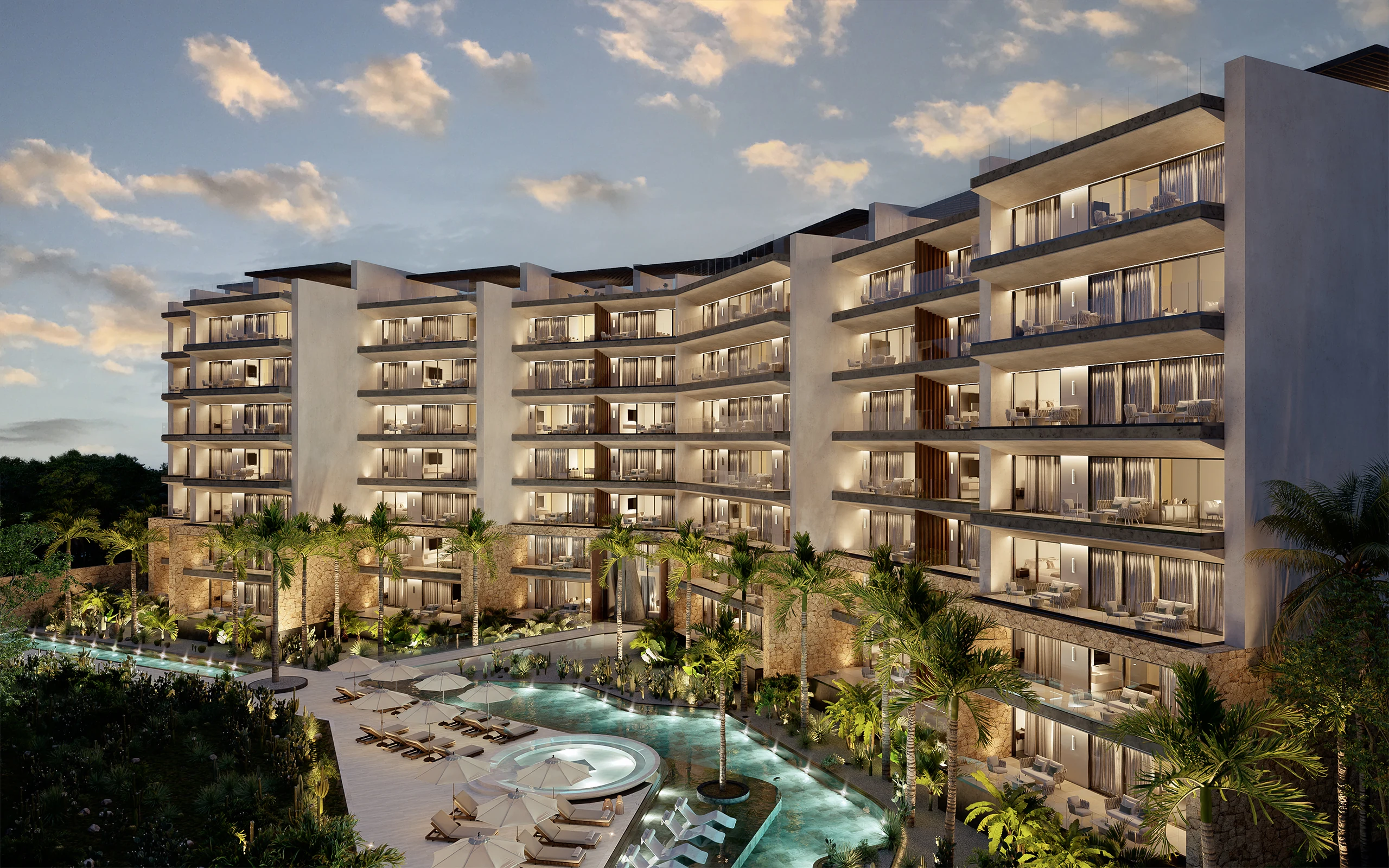
Cancún, a world-renowned tourist destination, offers a mature and stable luxury real estate market. Pre-construction opportunities in areas like Puerto Cancún, a master-planned community with a marina, golf course, and luxury shopping, are particularly attractive. These projects often feature high-rise condominiums with ocean views and resort-style amenities. The rental market is robust, with high demand for both short-term vacation rentals and long-term executive leases. A 2-bedroom ocean-view condo in Puerto Cancún, purchased pre-construction for $600,000 USD, could generate $500-$800 USD nightly, with 75% occupancy, resulting in $136,875-$219,000 USD gross annual income. Investors in Cancún should focus on projects with premium amenities, strong security, and experienced property management to maximize returns.
Mérida: Colonial Charm and Cultural Richness
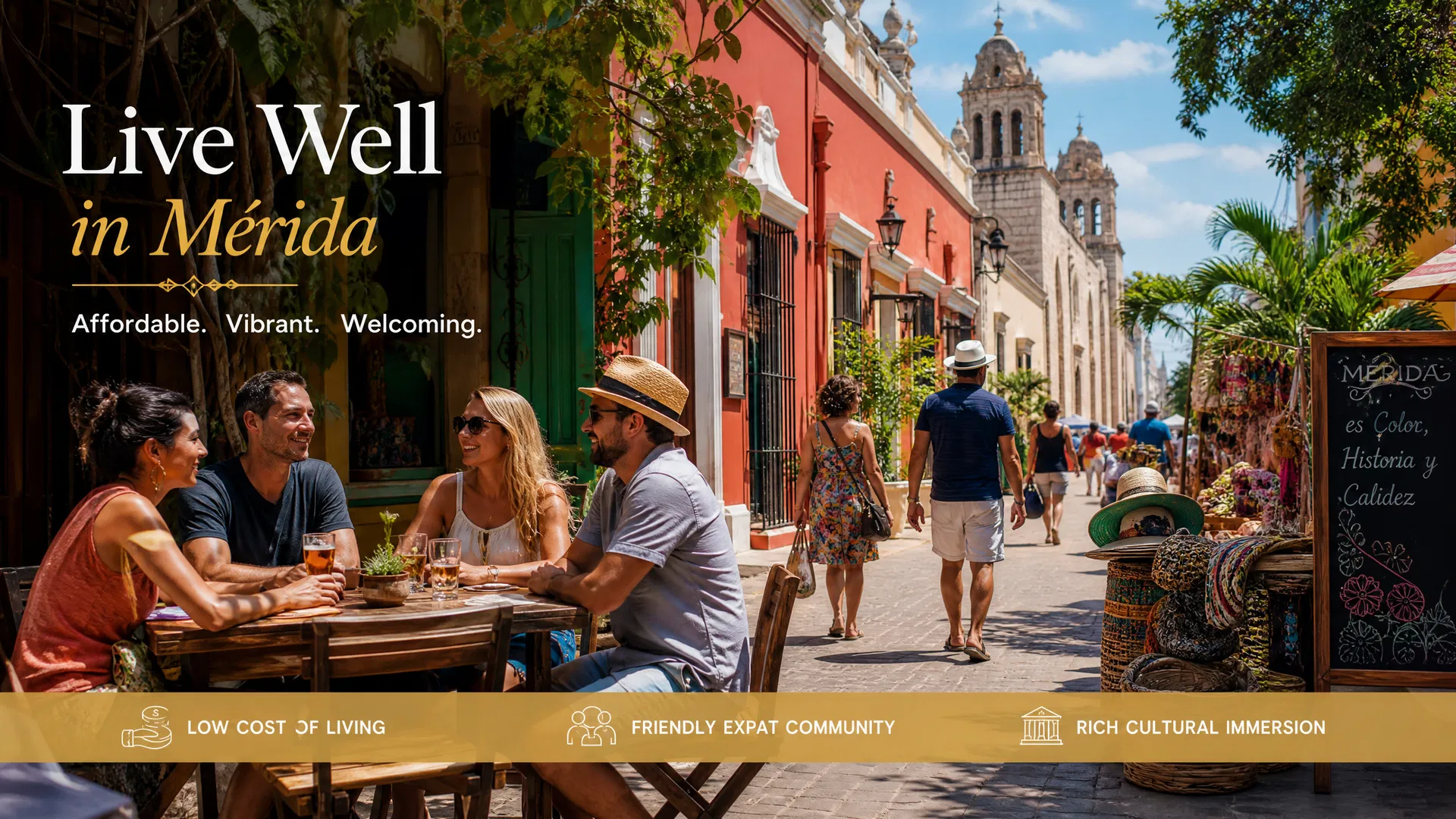
Mérida, the capital of Yucatán, offers a distinct investment proposition centered on cultural richness, safety, and a high quality of life. The pre-construction market here often involves the restoration of colonial homes in the historic center or the development of modern residential communities in desirable northern neighborhoods. Mérida attracts a growing expatriate community, leading to strong demand for long-term rentals. A restored colonial home purchased for $400,000 USD could generate $2,500-$4,000 USD in monthly rental income. Pre-construction in Mérida requires a nuanced understanding of historic preservation laws and the unique challenges of renovating colonial properties. Investors should seek developers with proven expertise in this specialized niche.
Exit Strategies and Resale Value
A well-defined exit strategy is a crucial component of any successful pre-construction investment. While many buyers intend to hold their properties for long-term rental income, understanding the factors that influence resale value is essential for maximizing returns. This includes considering the property's appreciation potential, the quality of property management, and the optimal timing for a future sale.
Long-Term Appreciation and Market Trends
The Riviera Maya and Yucatán Peninsula have demonstrated consistent growth in property values over the past decade, driven by increasing tourism, foreign investment, and infrastructure development (e.g., the Maya Train project, new international airports). However, market conditions can shift, and understanding long-term projections is vital. Properties in established, high-demand areas like Playa del Carmen and Puerto Cancún tend to offer more stable appreciation, while emerging markets like Bacalar or parts of the Yucatán interior might offer higher, but potentially riskier, growth. Factors such as economic stability in North America, global travel trends, and local government policies can all impact future appreciation. Investors should look for properties with unique selling propositions, such as beachfront access, exceptional amenities, or sustainable design, which tend to hold their value and appeal over time.
Property Management and Maintenance
The quality of property management and ongoing maintenance significantly impacts resale value, especially for properties used as vacation rentals. A well-maintained property with a strong rental history is far more attractive to potential buyers. This includes regular upkeep, timely repairs, and efficient handling of guest services. Investors should research property management companies thoroughly, considering their experience, fee structures (typically 20-30% of rental income), and marketing capabilities. A professional property management team can ensure the property remains in pristine condition, maximizes rental income, and enhances its appeal to future buyers. Neglecting maintenance can lead to accelerated depreciation and a lower resale price.
Timing the Market and Selling Your Property
Timing the market for resale requires a keen understanding of local real estate cycles. While it is challenging to predict exact market peaks, a general awareness of supply and demand dynamics can inform selling decisions. For instance, selling during a period of high demand and limited new inventory can yield a higher price. Working with a local real estate agency, such as Mexico Luxury Properties, provides access to market intelligence and a network of potential buyers. Our team can advise on optimal pricing strategies, marketing approaches, and legal procedures for selling property in Mexico, ensuring a smooth and profitable exit. Understanding capital gains taxes and other selling costs in Mexico is also crucial for accurate financial planning. If you are considering selling, our team can help you Sell Your Property.
Construction Quality and Project Oversight
Ensuring construction quality and effective project oversight is paramount in pre-construction investments. While developers provide renderings and specifications, actual execution can vary. Understanding materials, construction methodologies, and quality control mechanisms is crucial. For luxury properties, this often includes high-end finishes, durable tropical-climate materials, and smart home technologies. Investors should inquire about the project management team, their experience, and communication protocols regarding construction progress.
Monitoring Construction Progress and Communication
Effective project oversight involves continuous monitoring of construction progress. Reputable developers provide regular updates via online portals, photo galleries, or site visits, detailing milestones, potential delays, and quality control. For international buyers, a local representative or trusted real estate advisor conducting periodic site inspections and communicating directly with the construction team is invaluable. This proactive approach identifies and addresses deviations early, preventing costly rectifications. Clear communication and transparent reporting are hallmarks of a well-managed pre-construction project, instilling buyer confidence.
Materials and Technologies for Tropical Climates
In the Riviera Maya, construction quality means durability and resilience against the tropical climate. High-end pre-construction projects often use reinforced concrete, hurricane-resistant windows/doors (Category 5 rated), and advanced waterproofing. Local hardwoods (Tzalam, Chechen), natural stone (travertine, marble), and high-quality ceramics are specified for beauty and longevity. Sustainable practices (solar panels, rainwater harvesting, energy-efficient HVAC) are increasingly prevalent. Smart home technologies (integrated security, automated lighting, climate control) are standard in many luxury developments, enhancing comfort and property value. Understanding and verifying these specifications in the contract is vital for a sound, long-term investment.