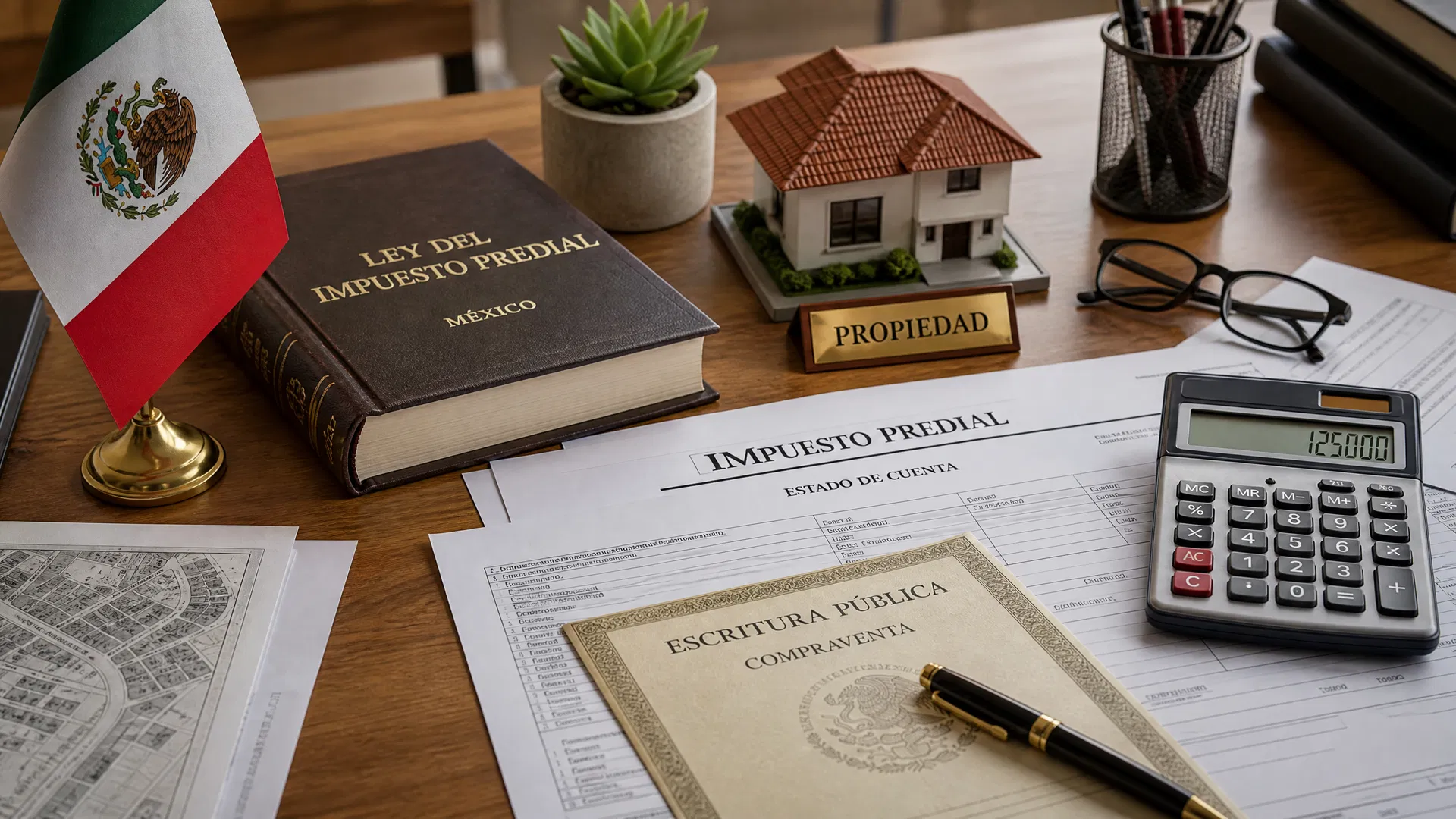
Mexico Property Tax for Foreign Buyers
Mexico property tax for foreign buyers: acquisition, annual, capital gains, and rental income taxes explained, plus legal minimization strategies.
María Elena Canul
Legal & Tax Advisor
Understanding Mexico Property Tax for Foreign Buyers
Investing in real estate in a foreign country can be an exciting venture, offering opportunities for vacation homes, rental income, or even a permanent residence. Mexico, with its stunning coastlines, vibrant culture, and attractive property values, has long been a favored destination for American and Canadian buyers. However, navigating the intricacies of property ownership in a new country, especially concerning taxation, requires careful consideration. This comprehensive guide aims to demystify Mexico's property tax landscape for foreign buyers, ensuring you are well-informed and prepared for a smooth and legally compliant investment journey.
The Allure of Mexican Real Estate for Foreigners
Mexico's real estate market offers a unique blend of affordability, potential for appreciation, and a desirable lifestyle. Many foreign investors are drawn to popular destinations like the Riviera Maya, Cancún, Tulum, Playa del Carmen, Puerto Morelos, Puerto Aventuras, Cozumel, Mérida, and the Yucatán Coast. These regions boast a robust tourism industry, which translates into strong rental income potential for investment properties. Furthermore, the cost of living and property maintenance can often be significantly lower than in the United States or Canada, adding to the appeal.
Acquisition Taxes: The Initial Investment
When you decide to purchase property in Mexico, several taxes and fees are incurred during the acquisition phase. Understanding these upfront costs is crucial for budgeting and financial planning.
Impuesto Sobre Adquisición de Inmuebles (ISAI) - Acquisition Tax
The primary tax you will encounter during the purchase is the Impuesto Sobre Adquisición de Inmuebles (ISAI), or Property Acquisition Tax. This tax is calculated as a percentage of the property's purchase price or its cadastral value (the value assigned by the local government for tax purposes), whichever is higher. The rate for ISAI typically ranges from 2% to 4% of the property's value, varying by state. For instance, in some states, it might be a flat 2%, while in others, it could be a progressive rate up to 4% [1]. It's important to note that this tax is a one-time payment made at the time of closing and is the responsibility of the buyer.
Notary Fees and Registration Costs
In Mexico, notaries (notarios públicos) play a far more significant role than their counterparts in the U.S. or Canada. They are highly trained legal professionals responsible for ensuring the legality of real estate transactions, collecting taxes, and registering the property with the Public Registry of Property (Registro Público de la Propiedad). Their fees, along with registration costs, typically range from 0.5% to 1.5% of the property's value. These costs cover the notary's legal services, the drafting of the public deed (escritura pública), and the official registration of your ownership [1].
Fideicomiso Setup Fees (Bank Trust)
For foreign buyers interested in purchasing property within the restricted zones (within 100 km of international borders or 50 km of the coastline), a fideicomiso, or bank trust, is legally required. This trust grants you all the rights of ownership, allowing you to use, sell, rent, and even bequeath the property, while a Mexican bank holds the legal title. The setup of a fideicomiso involves a one-time fee, typically ranging from $500 to $1,000 USD [1]. This initial cost is a necessary part of securing your investment in these desirable coastal and border regions.
Annual Property Taxes: Ongoing Ownership Costs
Once you own property in Mexico, you will be responsible for annual taxes and fees that are generally much lower than those in the United States or Canada.
Predial - Annual Property Tax
The annual property tax in Mexico is known as predial. This tax is paid to the local municipality and is calculated based on the cadastral value of the property, which is often significantly lower than the commercial market value. Predial rates typically range from a remarkably low 0.1% to 0.3% of the cadastral value annually [1]. This stands in stark contrast to property tax rates in the U.S., which average around 1.1% of market value, and even higher in some states [3]. For example, a property valued at $300,000 USD might incur an annual predial of only a few hundred dollars, making ongoing ownership costs very attractive for foreign investors. Payments are usually due early in the year, and many municipalities offer discounts for early payment, further reducing the burden.
Fideicomiso Annual Fees
In addition to the initial setup fee, maintaining a fideicomiso involves annual fees paid to the bank that administers the trust. These fees typically range from $500 to $800 USD per year [2]. While not a tax, this is an essential recurring cost for foreign owners in restricted zones, covering the bank's administrative services and ensuring legal compliance. It's a predictable expense that should be factored into your annual budget.
Maintenance Fees (HOA/Condominium)
If your property is part of a condominium regime or a gated community, you will likely pay monthly maintenance fees, often referred to as HOA (Homeowners Association) fees. These fees cover the upkeep of common areas, amenities (like pools, gyms, and gardens), security, and sometimes utilities for common spaces. The amount varies widely depending on the size and luxury of the development, as well as the services provided. These are operational costs, not taxes, but are a significant part of property ownership in many popular expat communities.
Taxes When Selling Property: Capital Gains
When the time comes to sell your Mexican property, understanding the capital gains tax (Impuesto Sobre la Renta por Enajenación de Bienes Inmuebles) is paramount. This tax applies to the profit made from the sale.
Capital Gains Tax (ISR) Calculation
Mexico's capital gains tax can be calculated in two primary ways for foreign sellers:
- 25% on the gross sales value: This is a flat rate applied to the total sale price without any deductions. This option is often chosen if the seller does not have a Mexican tax ID (RFC) or sufficient documentation to support deductions [2].
- 35% on the net gain: This option allows for deductions of certain expenses, such as the original acquisition cost, notary fees, real estate commissions, and documented improvements to the property. The 35% rate is applied to the resulting net profit. To qualify for this, sellers typically need a Mexican tax ID (RFC) and proper invoices (facturas) for all deductible expenses [2].
The notary public handling the sale is responsible for calculating and withholding this tax, remitting it directly to the Mexican tax authorities (SAT). It is crucial to work with an experienced notary who can help you navigate these calculations and ensure you take advantage of any legal deductions.
Exemptions for Primary Residence
Mexico offers a significant exemption from capital gains tax for sellers who can prove the property has been their primary residence for a certain period (typically five years). To qualify, you generally need to demonstrate residency through utility bills (electricity, telephone), voter ID, or a Mexican residency card registered to the property address. This exemption can be a substantial benefit for retirees or those who have made Mexico their permanent home [2]. However, specific requirements and limitations apply, and it's essential to consult with a tax professional or notary to confirm eligibility.
Rental Income Tax: Profiting from Your Investment
For foreign buyers looking to generate income from their Mexican property through rentals, understanding the tax obligations on that income is essential.
Withholding Tax on Rental Income
If you rent out your property, the rental income is subject to Mexican income tax. For non-resident foreign owners, there are generally two approaches:
- 25% Flat Withholding Rate: If the tenant pays the landlord directly, the tenant (or property manager acting on their behalf) is responsible for withholding a flat 25% of the gross rental income and remitting it to the Mexican tax authorities monthly [2]. This is often the simplest method for foreign owners without a Mexican tax ID.
- Filing an Annual Tax Return: Alternatively, foreign owners can obtain a Mexican tax ID (RFC) and file an annual tax return, allowing them to deduct eligible expenses related to the rental activity. This option can result in a lower effective tax rate, as expenses like property management fees, maintenance, and utilities can reduce the taxable income. The tax rate in this scenario can vary, but it allows for a more optimized tax position [2].
It is highly recommended to work with a local property manager or accountant who is familiar with Mexican tax laws to ensure proper compliance and to maximize your net rental income.
Value Added Tax (IVA) on New Construction
The Value Added Tax (Impuesto al Valor Agregado or IVA) is Mexico's equivalent of VAT or GST. The standard rate is 16% and applies to most goods and services.
IVA on New Residential Construction
When purchasing a newly constructed residential property, IVA at 16% is generally applied to the construction cost, not the land value. However, there's an important distinction: construction services for a personal-use residential property are often exempt from IVA [2]. This means that if you are buying a new home for personal use, the IVA may not apply to the construction component. If the property is intended for commercial use or rental, IVA may be applicable. This area can be complex, and it's crucial to clarify the IVA implications with your developer, notary, and legal counsel before signing any purchase agreements.
Fideicomiso: The Cornerstone of Foreign Ownership in Restricted Zones
As previously mentioned, the fideicomiso is a critical legal instrument for foreign ownership in Mexico's restricted zones. It's not just about fees; it's about legal security and compliance.
How the Fideicomiso Works
The fideicomiso is a trust agreement where a Mexican bank (the trustee) holds the legal title to the property for the benefit of the foreign buyer (the beneficiary). The foreign buyer retains all beneficial rights, including the right to use, enjoy, lease, and sell the property. The trust is typically established for a 50-year term, renewable for additional 50-year periods, ensuring long-term security for your investment. This structure was created to comply with Article 27 of the Mexican Constitution, which restricts direct foreign ownership in certain areas, while still allowing foreigners to invest and enjoy property in these desirable locations.
Minimizing Tax Liability Legally
While taxes are an unavoidable part of property ownership, there are legal strategies foreign buyers can employ to minimize their tax burden in Mexico.
Obtaining a Mexican Tax ID (RFC)
One of the most effective ways to optimize your tax position, especially for capital gains and rental income, is to obtain a Mexican Tax ID (Registro Federal de Contribuyentes or RFC). Having an RFC allows you to:
- Deduct expenses: For capital gains, an RFC enables you to deduct the original acquisition cost, closing costs, and documented improvements, reducing your taxable net gain. For rental income, it allows you to deduct property management fees, maintenance, utilities, and other related expenses, lowering your taxable rental income.
- Access lower tax rates: In some cases, having an RFC and filing annual returns can lead to a lower effective tax rate compared to flat withholding rates.
- Ensure compliance: An RFC demonstrates your commitment to complying with Mexican tax laws, which can simplify future transactions and avoid potential penalties.
The process of obtaining an RFC can be complex, often requiring assistance from a local accountant or legal professional.
Documenting All Expenses and Improvements
Maintaining meticulous records of all expenses related to your property is crucial. This includes:
- Acquisition costs: Keep all receipts and invoices for the purchase price, notary fees, legal fees, and any other costs incurred during the acquisition.
- Property improvements: Any significant improvements or renovations that add value to the property should be documented with official invoices (facturas). These can be deducted from the capital gains tax when you sell.
- Rental expenses: For rental properties, keep detailed records of property management fees, maintenance, repairs, utilities, and any other costs associated with generating rental income.
Without proper documentation, you may not be able to claim these deductions, resulting in a higher tax liability.
Primary Residence Exemption
As mentioned earlier, if the property serves as your primary residence, you may be eligible for a capital gains tax exemption. This exemption is a significant benefit, potentially saving you a substantial amount when you sell. Ensure you meet all the requirements and have the necessary documentation to prove primary residency.
Common Mistakes Foreign Buyers Make
Navigating a foreign legal and tax system can be challenging. Here are some common mistakes foreign buyers make and how to avoid them:
- Not consulting with legal and tax professionals: Attempting to navigate Mexican real estate and tax laws without expert guidance can lead to costly errors. Always engage a reputable Mexican real estate attorney and a tax professional experienced in cross-border taxation.
- Under-declaring property value: Some buyers are advised to declare a lower property value to reduce acquisition taxes. This is illegal and can lead to severe penalties, including fines and even imprisonment. It also artificially lowers your acquisition cost, which can result in a higher capital gains tax when you sell.
- Ignoring the fideicomiso requirement: Trying to bypass the fideicomiso in restricted zones is illegal and can jeopardize your ownership rights.
- Failing to obtain an RFC: Not having a Mexican tax ID can limit your ability to claim deductions and optimize your tax position, leading to higher tax payments, especially for capital gains and rental income.
- Not keeping proper records: Lack of documentation for expenses and improvements can prevent you from claiming legitimate deductions, increasing your tax burden.
- Underestimating ongoing costs: While predial is low, fideicomiso fees, HOA fees, and other operational costs can add up. Ensure you have a clear understanding of all recurring expenses.
Comparison with US/Canada Tax Burden
One of the most attractive aspects of owning property in Mexico for American and Canadian buyers is the generally lower tax burden compared to their home countries.
Property Taxes
As highlighted, Mexico's annual property tax (predial) is significantly lower, often ranging from 0.1% to 0.3% of the cadastral value. In contrast, U.S. property tax rates average around 1.1% of market value, with some states exceeding 2% or even 3%. Canadian property taxes also vary by province and municipality but are generally higher than in Mexico, often ranging from 0.5% to 1.5% of the assessed value. This difference can result in substantial annual savings for Mexican property owners.
Capital Gains Tax
While Mexico's capital gains tax rates (25% on gross or 35% on net) might seem comparable to or even higher than some rates in the U.S. or Canada, the key difference often lies in the valuation and available exemptions. The primary residence exemption in Mexico can be a powerful tool for reducing or eliminating capital gains tax, which is not always as straightforward or generous in other countries. Additionally, the ability to deduct documented improvements and acquisition costs can significantly reduce the taxable base.
Rental Income Tax
Both the U.S. and Canada tax rental income. While Mexico imposes a 25% withholding tax or a variable rate on net income, tax treaties between Mexico and these countries often help prevent double taxation. Foreign tax credits can typically be claimed in your home country for taxes paid in Mexico, mitigating the overall tax impact. However, it's crucial to consult with a tax advisor specializing in international taxation to understand the specific implications for your situation.
Conclusion: A Rewarding Investment with Proper Planning
Owning property in Mexico offers a wealth of benefits, from a vibrant lifestyle to attractive investment returns. While the tax landscape may seem complex at first glance, understanding the key taxes and fees—acquisition tax (ISAI), annual property tax (predial), capital gains tax (ISR), rental income tax, VAT on new construction, and fideicomiso annual fees—is essential for a successful and compliant investment. By working with experienced legal and tax professionals, obtaining a Mexican tax ID (RFC), meticulously documenting all expenses, and being aware of common pitfalls, foreign buyers can navigate the system effectively and legally minimize their tax liabilities.
The lower annual property taxes in Mexico, coupled with potential exemptions and deductions, often make it a financially appealing option compared to property ownership in the U.S. or Canada. With careful planning and expert guidance, your dream of owning a piece of paradise in the Riviera Maya or other stunning Mexican destinations can become a rewarding reality.
Ready to Explore Your Mexican Property Investment?
Whether you're considering a vacation home, a rental investment, or a permanent move, Mexico Luxury Properties is here to guide you every step of the way. Our team of experts specializes in high-end real estate across the Riviera Maya, Cancún, Tulum, Playa del Carmen, Puerto Morelos, Puerto Aventuras, Cozumel, Mérida, and the Yucatán Coast. We can connect you with trusted legal and tax professionals to ensure a seamless and secure transaction.
Contact us today to learn more about luxury properties in Mexico and how we can help you achieve your investment goals.
References:
- [1] Canamex Law. (2025, November 20). Taxes When Buying Property in Mexico: What Foreign Buyers Need to Know. https://www.canamexlaw.com/2025/11/taxes-when-buying-property-in-mexico/
- [2] Easy Legal México. (n.d.). Tax Implications of Owning Property in Mexico as a Foreigner. https://www.easylegalmexico.com/tax-implications-of-owning-property-in-mexico-as-a-foreigner/
- [3] Riviera Maya Blue. (2025, March 22). Tax Advantages for Foreigners Investing in Real Estate in Mexico vs the United States and Canada. https://www.rivieramayablue.com/2025/03/22/tax-advantages-for-foreigners-investing-in-real-estate-in-mexico-vs-the-united-states-and-canada/">https://www.rivieramayablue.com/2025/03/22/tax-advantages-for-foreigners-investing-in-real-estate-in-mexico-vs-the-united-states-and-canada/