Residency and Visas for Property Buyers in Mexico
You do not need residency to buy, but it changes what you pay when you sell. The 2026 income thresholds, the property investment route, and what changed with tourist entry.
María Elena Canul
Lifestyle & Relocation Specialist
Let us clear the first question immediately, because it stops a surprising number of people before they start. You do not need residency, or any visa beyond a tourist entry, to buy property in Mexico. Property acquisition is governed by foreign investment rules, not immigration rules. You can complete a purchase having never lived here.
Inside the restricted zone, within fifty kilometres of the coast or a hundred of a border, the purchase goes through a fideicomiso, a fifty-year renewable bank trust. Outside it, in Mérida for instance, you can hold direct title. Neither structure asks about your immigration status.
So why does this article exist? Because residency changes three things that matter: how long you can stay, what you pay when you eventually sell, and how much friction you encounter doing ordinary things like opening a bank account. Those are worth understanding before you buy, not after.
What changed with tourist entry
For years the working assumption among second-home owners was that a tourist entry meant 180 days, automatically, every time. That assumption no longer holds.
The 180 days was always a legal maximum rather than a guarantee, but in practice officers granted it routinely. Now they set the period against your actual itinerary: your return ticket, your accommodation booking, what you tell them. Entries of 10, 30 or 60 days are being issued. The paper form is also being phased out at airports including Cancún, replaced by a stamp.
For someone spending two weeks a year in their condo, this is a non-event. For someone who planned to winter in Mexico for five months on tourist entries, it is a real change, and it is the most common reason our buyers start looking at temporary residency.
The two residency categories
Residente Temporal
Valid from one to four years and renewable. Qualification is usually by economic solvency, proven one of two ways.
By income, you need to show monthly net income of roughly 79,800 pesos, about 4,400 US dollars, sustained over the previous six to twelve months. By savings, you need a balance of roughly 1,344,000 pesos, about 74,700 dollars, held over twelve months.
These figures are tied to the UMA, an official reference unit that is updated every January, so they rise annually. Cryptocurrency and precious metals are not accepted as qualifying assets. Each consulate applies its own exchange rate, so the dollar equivalents vary by a few percent depending on where you apply.
After four consecutive years as a temporary resident you can convert to permanent without proving solvency again, which is the route most people take.
Residente Permanente
Direct qualification is considerably higher: monthly income around 133,700 pesos, about 7,400 dollars, or savings of roughly 5,378,000 pesos, close to 300,000 dollars.
There are two softer paths. Retirees drawing a pension are often granted permanent status directly, though consular practice varies and some will issue temporary instead. And applicants with a Mexican spouse or child qualify under family unity at a much lower threshold, around 25,800 pesos monthly.
The property investment route
This one comes up constantly and is widely misunderstood. Owning Mexican property can qualify you for residency, but the threshold is high and the outcome is narrower than people expect.
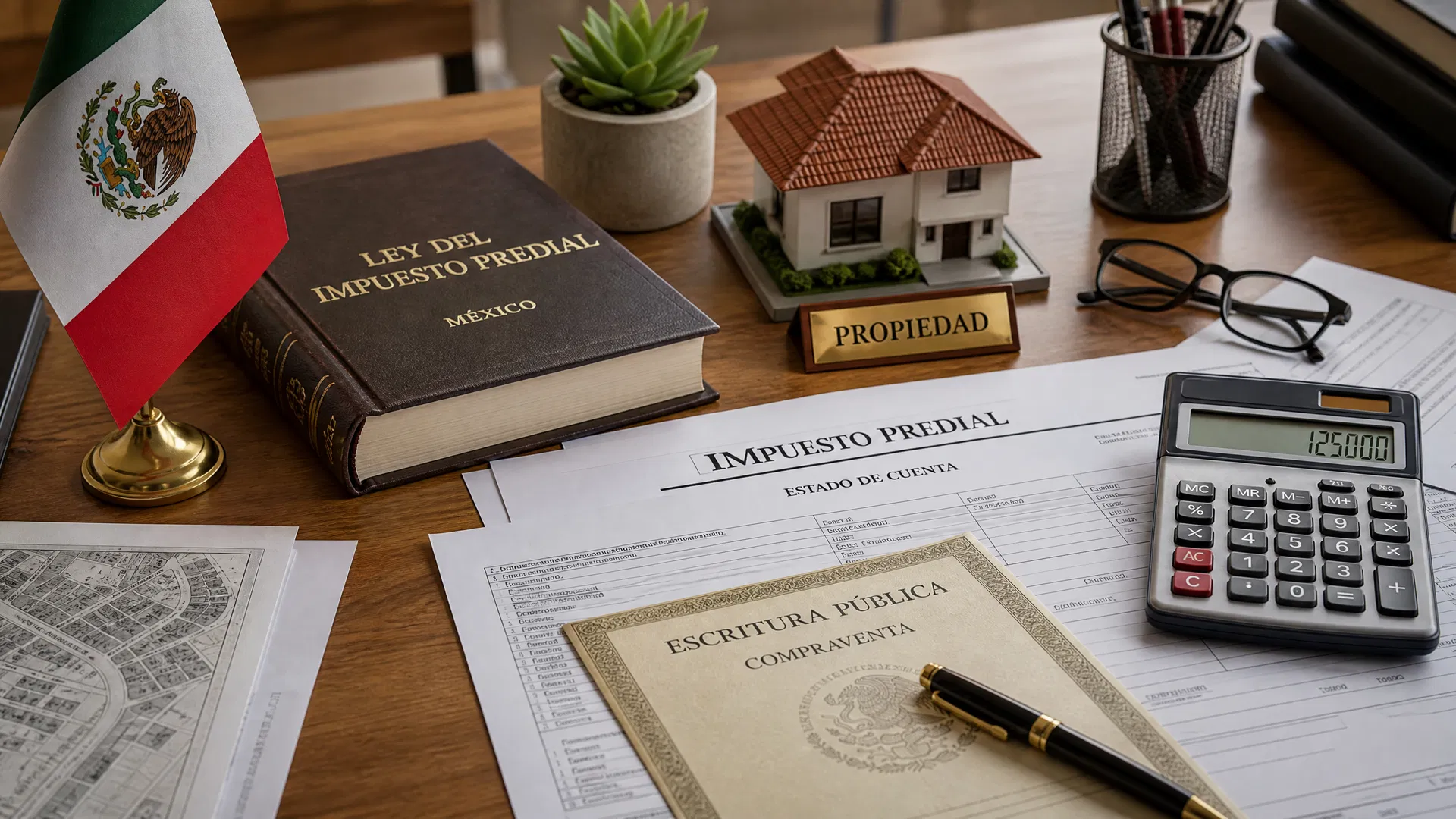
The property must be located in Mexico, free of liens, held in your name, and valued at approximately 10,758,500 pesos, roughly 598,000 dollars at current rates, evidenced by deed or appraisal. And it qualifies you for temporary residency only, not permanent.
For most of our buyers the income or savings route is easier to satisfy than the property route, which is worth knowing before you stretch your budget on the assumption that a bigger purchase unlocks a better visa. It does not.
How the process actually runs
The critical procedural point: you start at a Mexican consulate outside Mexico, not at an immigration office once you are here. Applications initiated in country are generally refused except in family unity cases.
The sequence is straightforward. Book a consular appointment, which in busy consulates is the longest part of the wait. Attend with your passport, financial evidence, photograph, completed form and the consular fee, currently around fifty dollars. Expect a decision in two to six weeks. If approved, a visa is placed in your passport, valid 180 days for entry.
Then, and this is the step people miss, you must exchange it at an immigration office inside Mexico within thirty days of arriving to receive the physical residency card. The card itself costs around 11,100 pesos for the first year. Miss the thirty-day window and you start over.
Why this matters at the other end
Here is the connection to your property that most immigration articles skip.
Mexican tax law exempts the gain on the sale of a primary residence up to a substantial ceiling. That exemption is available to Mexican tax residents who can demonstrate they actually lived in the property, typically through utility bills in their name over a defined period. It also requires a Mexican tax ID and the corresponding declarations.
A foreign owner using the property a few weeks a year is not a tax resident and does not qualify. They face the standard non-resident treatment when they sell, which we covered in our article on capital gains tax.
Note that immigration residency and tax residency are related but not identical concepts, and holding a residency card does not automatically make you a Mexican tax resident. If the exemption is part of your plan, that is a conversation for an accountant before you buy, because the qualifying period is measured in years.
Who actually needs this
In our experience buyers fall into three groups, and only two of them need to act.
The two-week owner. Buys a condo, visits a few times a year, rents it or leaves it empty otherwise. Tourist entries are fine. No action needed.
The snowbird. Wants four to six months a year, typically winter. This group is directly affected by the tightening of tourist entries and is the main candidate for temporary residency.
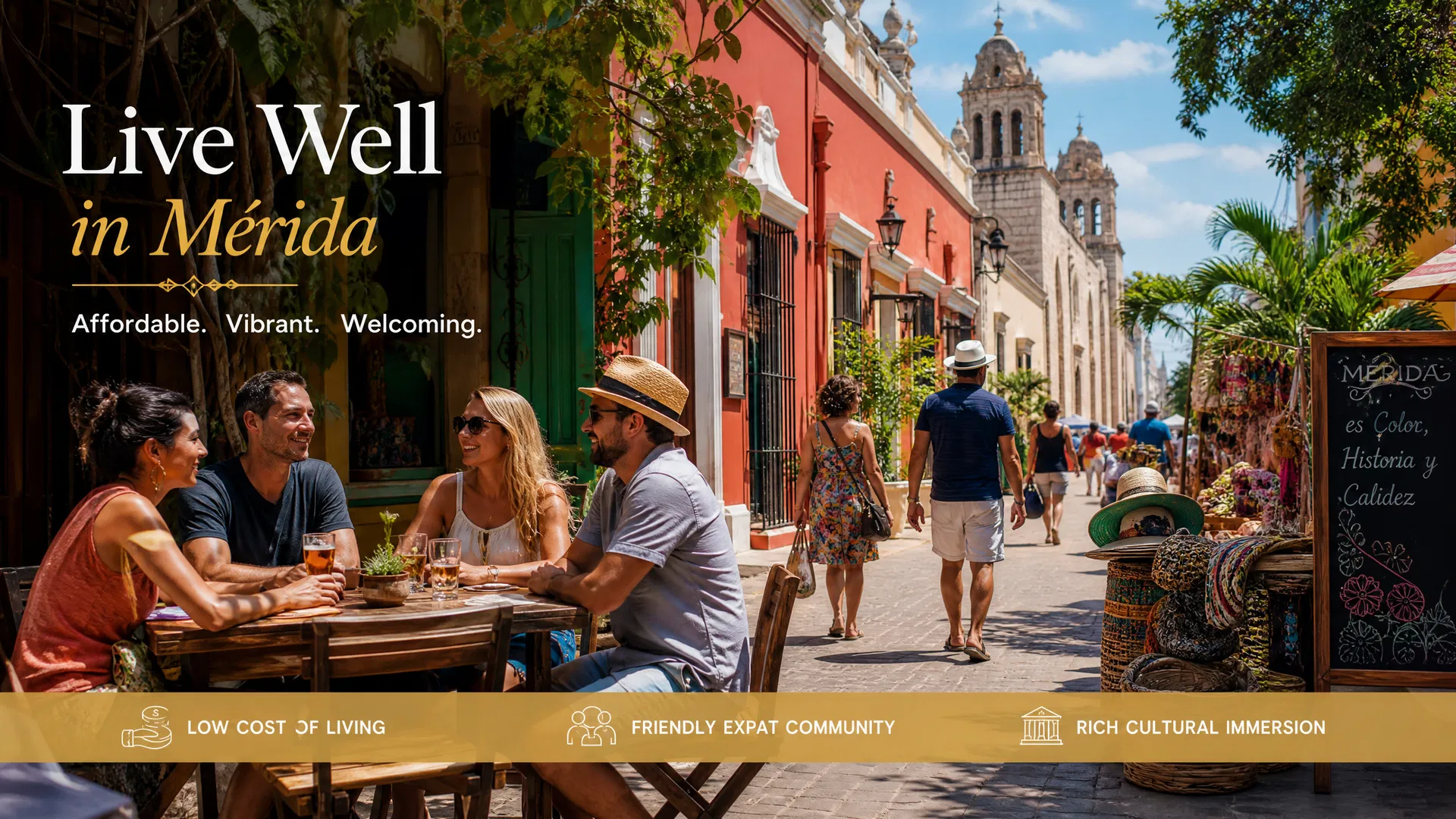
The relocator. Moving full time, often to Mérida, often at or near retirement. Needs residency for practical reasons well beyond immigration: banking, healthcare enrolment, vehicle registration, and eventually the tax position on sale.
If you are in the third group, our Mérida inventory is where most of that cohort ends up, for reasons of pace, cost and the fact that it sits outside the restricted zone so no bank trust is required.
This article is general information rather than immigration or legal advice. Thresholds are updated annually and consular practice varies. Confirm current requirements with the Mexican consulate that covers your area, or retain an immigration specialist.